


Migraine With Aura and Light Sensitivity: What's Happening and What Helps
Zigzag lines, shimmering spots, a blind patch that spreads across your vision — then the headache, and light that suddenly feels unbearable. This is migraine with aura, sometimes called an "ocular" or "visual" migraine. Here's what is happening, how light fits in before, during and after an attack, and how to make your environment easier on your eyes.
Sleepaxa Optometry Team · Updated October 2026
Quick answer
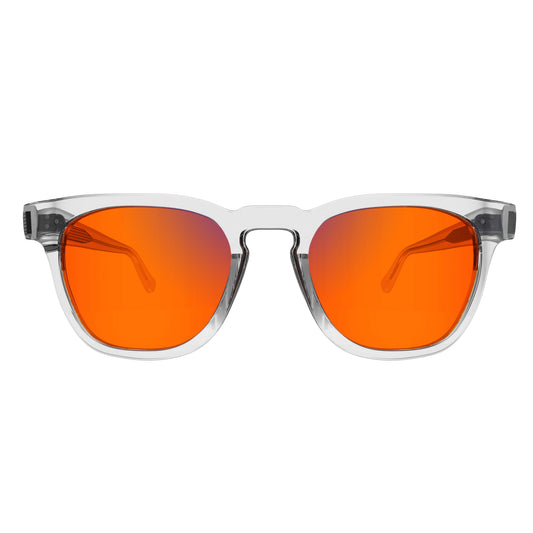
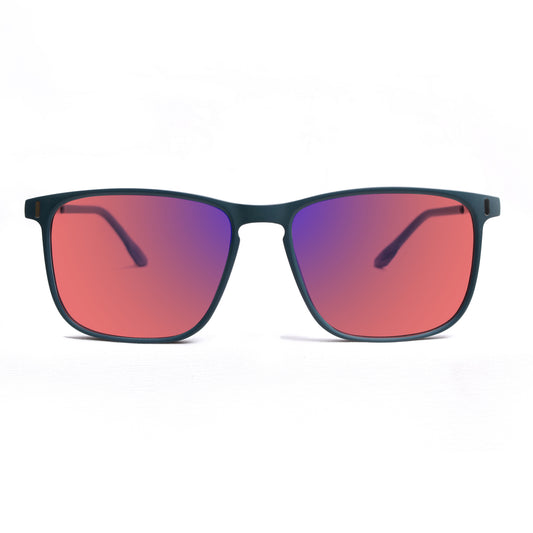
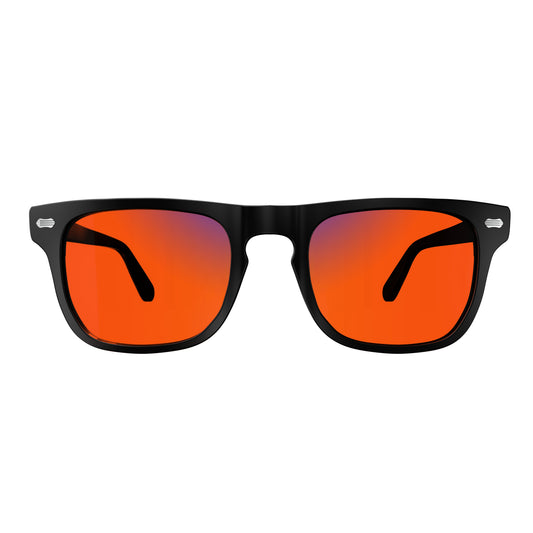
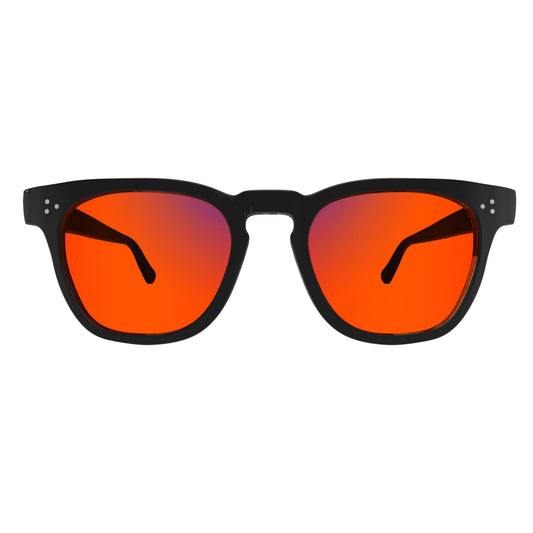
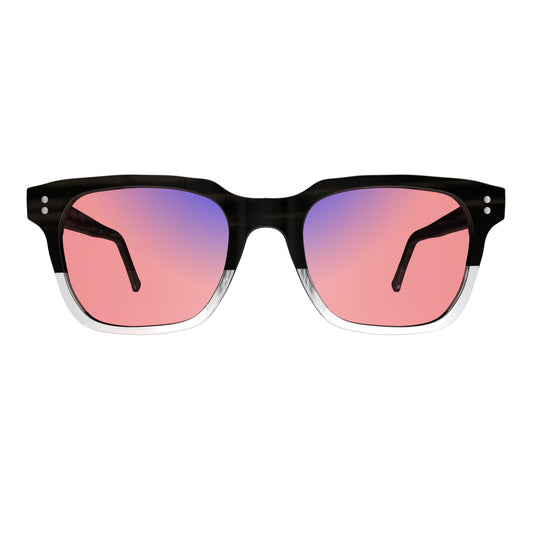
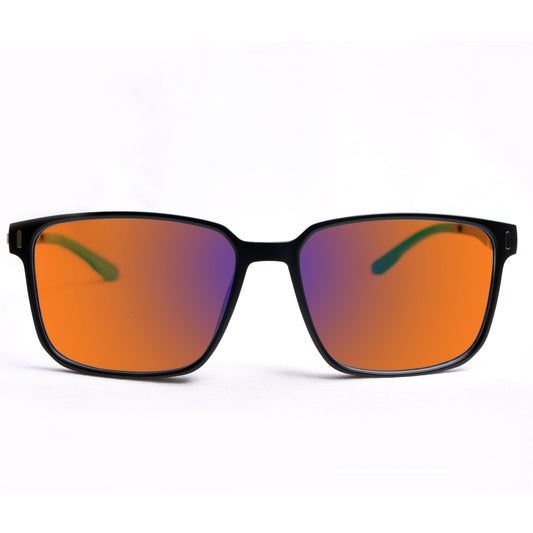
A visual aura is a wave of brain activity, not an eye problem. Light doesn't cause it, but bright, flickering or glaring light is a common trigger, and light sensitivity is usually worst during the headache. Between attacks, many people use FL-41 Light indoors; during an attack, a darker space or FL-41 Dark helps.
Shop FL-41 glasses →What is a migraine aura?
An aura is a temporary disturbance, usually visual, that typically builds over 5–20 minutes and lasts less than an hour. It's caused by a slow wave of brain activity across the visual cortex (cortical spreading depression). Common visual aura symptoms include:
- Zigzag or shimmering lines (fortification spectra)
- A bright spot or blind spot that grows across the vision
- Flashing lights or sparkles
- Tunnel vision or patchy vision
Aura usually affects both eyes' view of the same side. Cover one eye: if it's still there, it's coming from the brain, not the eye.
Get urgent medical help for a first-ever aura, aura lasting more than an hour, weakness or numbness on one side, difficulty speaking, sudden vision loss in one eye, or the "worst headache of your life". These need to be checked to rule out other causes.
How light fits in: before, during and after
| Phase | Light's role | What helps |
|---|---|---|
| Between attacks | Glare, flicker and harsh LEDs are common triggers | FL-41 Light indoors, flicker-free lighting |
| Aura | Bright light may feel more intense | Stop, rest, dim the room |
| Headache | Photophobia often peaks | Dark room or FL-41 Dark |
| Recovery | Sensitivity may linger | FL-41 Light, gentle return to screens |
Why are some colours worse than others? Light-sensitive pathways respond most to blue and blue-green wavelengths, while narrow green light tends to be tolerated best. We summarise this evidence in Photophobia in Migraine: Neural Mechanisms, Epidemiological Burden, and Wavelength-Selective Management (DOI 10.5281/zenodo.19644849), and the case for filtering selectively rather than darkening everything in Dual-Band Selective Light Attenuation (DOI 10.5281/zenodo.19547790).
Practical steps
- Keep a trigger diary that includes lighting, screens and glare.
- Indoors, use FL-41 Light instead of sunglasses; keep a Dark pair for bad days.
- At the first sign of aura, stop driving or operating machinery and rest somewhere dim.
- Work with your doctor on acute and preventive treatment.
One pair for everyday, one for bad days
FL-41 Light & Dark · spectrometer-verified · zero power to prism
Shop FL-41 Glasses →Related: best migraine glasses 2026 · flickering lights and migraine · best lighting for migraines.
FAQ
Can bright light trigger a migraine with aura?
Bright, flickering or glaring light is a commonly reported trigger. It doesn't cause every attack, and triggers vary between people.
Is an ocular migraine dangerous?
Typical migraine aura is not dangerous, but a first aura, unusual symptoms or vision loss in one eye should be checked urgently by a doctor.
Do FL-41 glasses help migraine aura?
They don't stop an aura, but many people use them to reduce light-related triggers between attacks and to stay more comfortable during and after.
Should I wear sunglasses during a migraine?
During an attack, darkness helps. Between attacks, avoid wearing dark sunglasses indoors all day, as it can increase sensitivity over time.
Educational content written by optometrists. Individual experience varies; speak with your doctor about migraine diagnosis and treatment.
Tags:
Previous
Why Sleepaxa Instead of Other Brands? Optometrist-Built, Patented, Measured and Made in Our Own Lab
Next
Why US Buyers Are Choosing Sleepaxa for Migraine Glasses


