

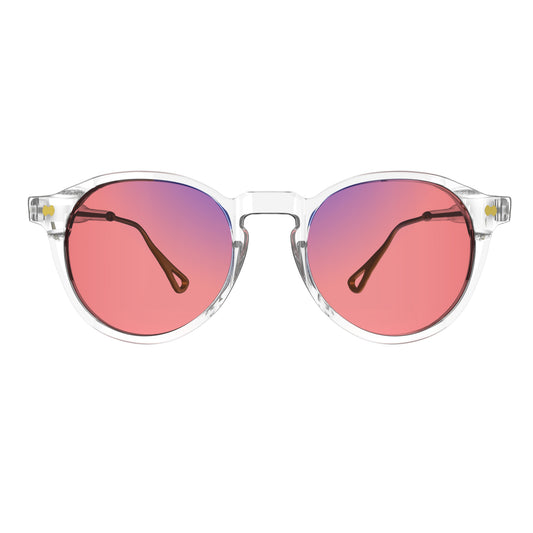
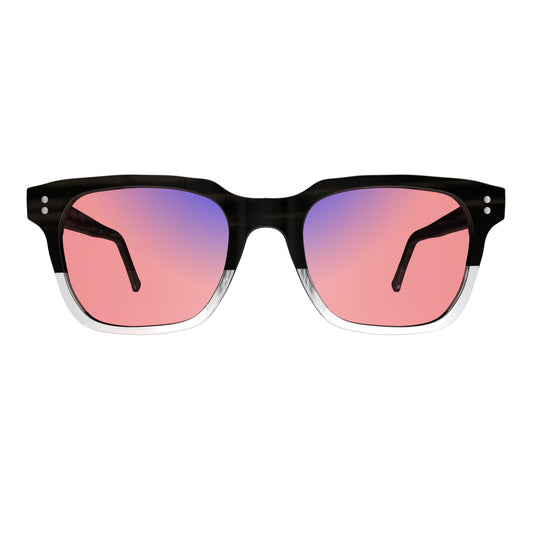

Blue-Light Glasses vs FL-41: Which Lens Helps Migraine? (Plus TheraSpecs & Avulux)
Clear blue-light glasses, FL-41, TheraSpecs, Avulux — they all promise easier days with light, but they filter very different parts of the spectrum. If you've bought blue-light glasses and still get headaches under office lights, this guide explains why, and how to pick the lens that matches your actual problem.
By Suraj Dubey, optometrist (10+ years, 10,000+ eye exams) · Updated October 2026
Quick answer
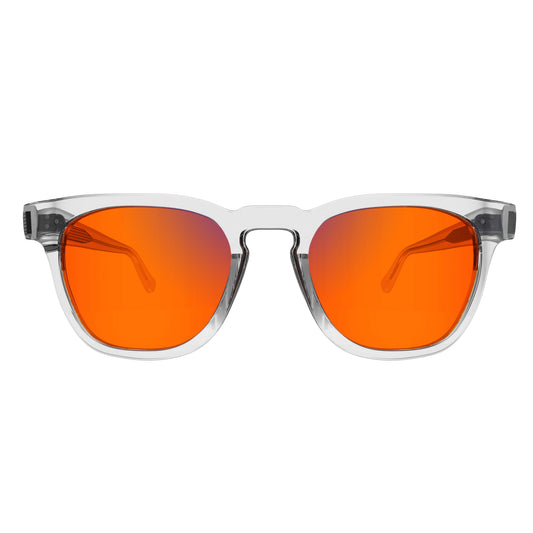
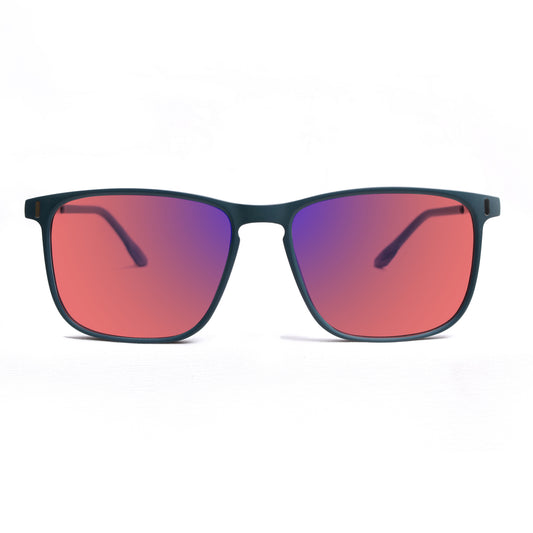
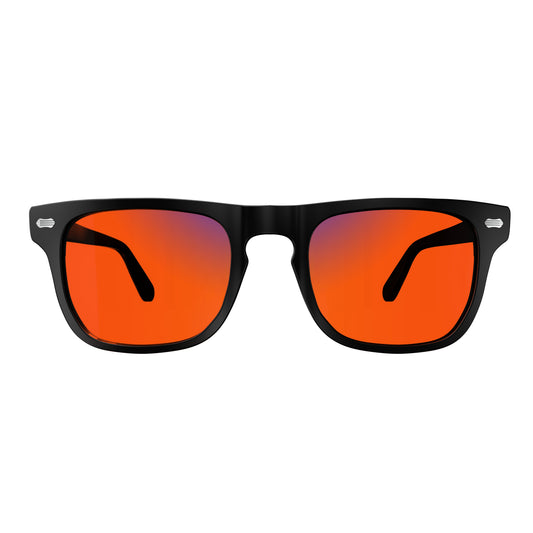
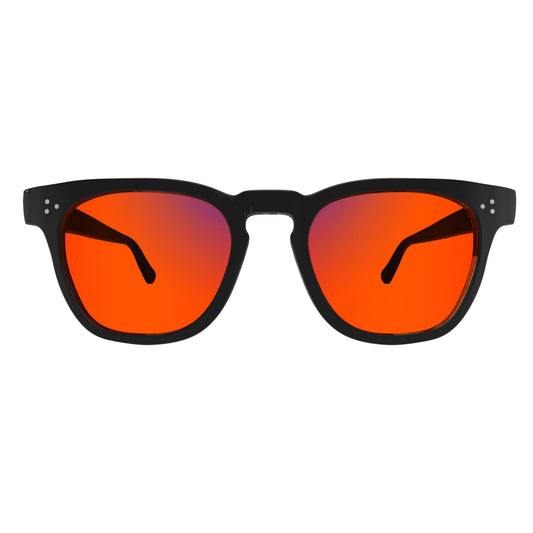
Clear blue-light lenses are a mild screen accessory. For migraine and light sensitivity, a true FL-41 rose tint filters the band most linked to light-triggered discomfort. Sleepaxa makes spectrometer-verified FL-41 in Light and Dark strengths, in your prescription (prism included), from $99.


Free US & EU shipping, duties included · 30-day returns on zero-power glasses
Blue-light glasses vs FL-41: different jobs
Clear blue-light lenses use a coating that trims a small share of short-wavelength blue light (roughly 400–450 nm) from screens. They can make screen time feel a little more comfortable, but they let most light through — including the blue-green band that people with migraine tend to find most uncomfortable.
FL-41 is a visible rose tint developed specifically for light sensitivity. It filters the blue-green band around 480–520 nm, where the eye's light-sensing melanopsin cells are most active, while letting enough light through to wear indoors all day. It is the most-researched tint for migraine and photophobia — from an early University of Birmingham study in children with migraine (1991) to University of Utah work on light sensitivity in blepharospasm (2009).
That's why clear blue-light glasses so often disappoint people with migraine: they're aimed at the wrong part of the spectrum.
Which lens for which problem?
| Your goal | Best lens | Sleepaxa option |
|---|---|---|
| Migraine & light sensitivity | FL-41 | FL-41 Light / Dark |
| Fluorescent office lighting | FL-41 Light | FL-41 Light |
| Screen glare & eye fatigue (no migraine) | Yellow blue-light filter | DayActive |
| Better sleep after dark | Amber / Red | Sleep glasses |
FL-41 Light or FL-41 Dark?
Choose FL-41 Light for all-day wear in offices, classrooms and on screens, and for mild to moderate sensitivity. Choose FL-41 Dark for severe photophobia, very bright spaces or flare-up days. Neither is suitable for night driving. Every Sleepaxa FL-41 frame comes in both.
Sleepaxa vs TheraSpecs
TheraSpecs is a well-known US brand with years of trust in the migraine community and a solid FL-41 lens, available in prescription. If a long-established FL-41 brand matters most to you, it's a reasonable choice.
Sleepaxa also makes FL-41, and adds a few things people tell us matter: two published tint strengths (Light and Dark), spectrometer-verified tint batches, prism prescriptions (uncommon in migraine eyewear), high-index 1.67 / 1.74, and free US shipping with duties included.
Sleepaxa vs Avulux
Avulux uses a multi-band filter and has invested in formal clinical research, which is reflected in its premium price. If a brand-sponsored clinical study is your top priority, it's worth considering.
Sleepaxa takes a different route: the long-researched FL-41 tint, measured on a spectrometer and built into your own prescription — including progressive and prism — at a lower price.
At a glance
| Clear blue-light | TheraSpecs | Avulux | Sleepaxa | |
|---|---|---|---|---|
| Filter | Light coating, ~400–450 nm | FL-41 | Multi-band | FL-41, Light & Dark |
| Built for migraine? | No | Yes | Yes | Yes |
| Prescription | Usually | Yes | Yes | Yes, incl. prism & progressive |
| Tint verified | Rarely published | Check with brand | Clinical study | Spectrometer data published |
| Price level | Low | Mid | Premium | From $99 |
Based on publicly available information as of October 2026; features and prices change — check each brand directly.
Where NeuroCalm FLX+ fits
You may have seen NeuroCalm FLX+, our team's patented dual-band lens technology (patent no. 587746), which separates the melanopsin band from a calming green band instead of filtering one broad band. Sleepaxa's FL-41 lenses are inspired by that research — it shapes how we tune and verify every FL-41 tint.
FAQ
Are blue-light glasses the same as FL-41?
No. Clear blue-light glasses use a light coating for mild screen comfort. FL-41 is a rose tint designed to filter the blue-green band most linked to migraine and light sensitivity.
Which is better for migraines?
For light-triggered migraine, FL-41 filters the relevant band far more than a clear blue-light coating. Results vary by person.
Is Sleepaxa a good alternative to TheraSpecs?
Yes. Both offer FL-41 in prescription. Sleepaxa adds Light and Dark strengths, spectrometer-verified tints, prism options and free US shipping.
Is Avulux worth the higher price?
For buyers who prioritise a brand-sponsored clinical study, some feel it is. If you want a verified FL-41 lens in your exact prescription for less, Sleepaxa is a strong alternative.
Can I wear FL-41 at my computer all day?
Yes. FL-41 Light is designed for all-day indoor and screen use.
Still choosing? Read our Best Migraine Glasses 2026 guide or prescription vs clip-on FL-41.
Educational content written by an optometrist. Individual experience varies; speak with your doctor about migraine diagnosis and treatment.
Tags:
Previous
Photophobia & Light Sensitivity Glasses: The Complete 2026 Guide (Office Lights, Vestibular Migraine, Concussion)
Next
Photophobia & Light Sensitivity Glasses: The Complete 2026 Guide (Office Lights, Vestibular Migraine, Concussion)


