

Vestibular Migraine & Light Sensitivity: What Helps (2026)
Vestibular migraine brings dizziness and imbalance — and for many people, busy visual environments and harsh light make it worse. Here's how light fits in and what may help.
Light, motion and the dizzy brain
In vestibular migraine, the brain over-processes sensory input. Bright, flickering or high-contrast light — supermarket aisles, fluorescent offices, scrolling screens — can add to the visual overload that triggers or worsens symptoms. Reducing that input can help some people cope.
Where tinted glasses may help
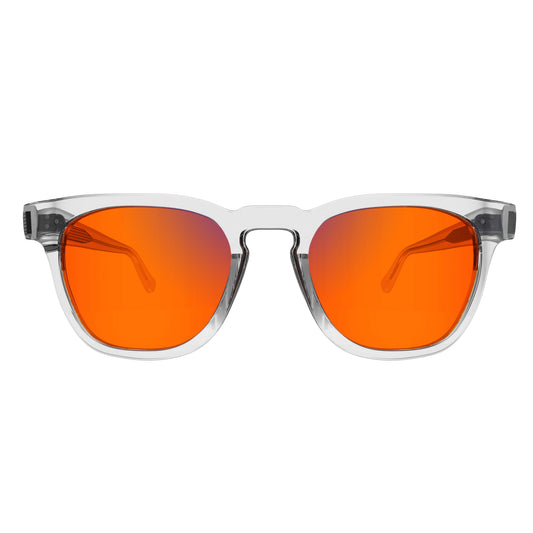
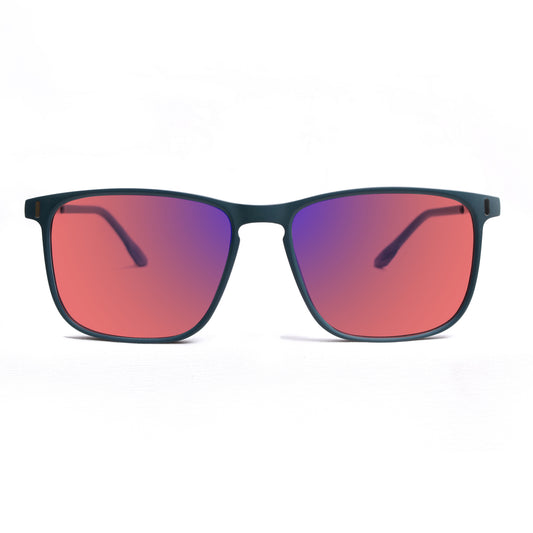
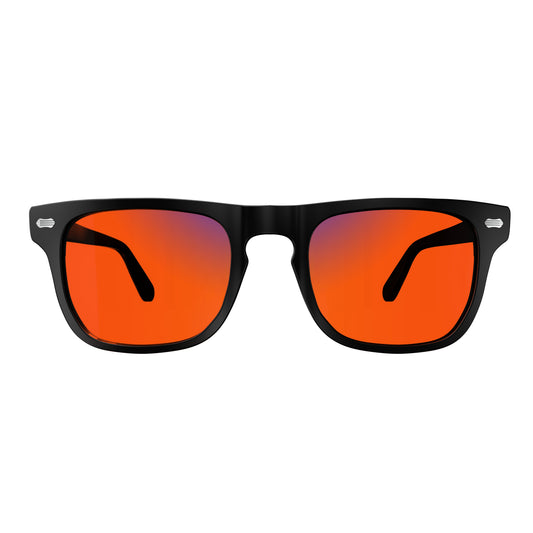
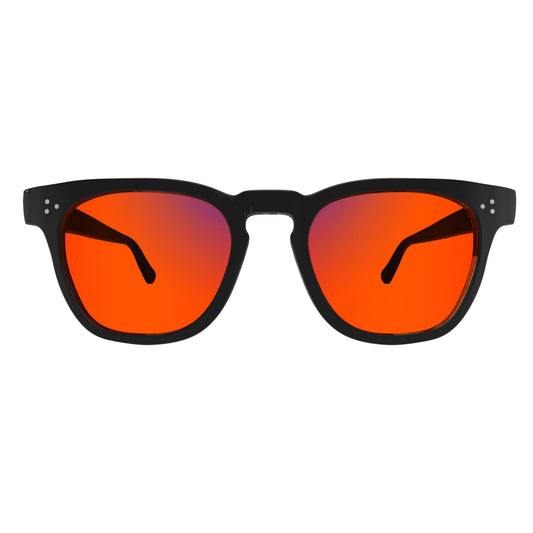
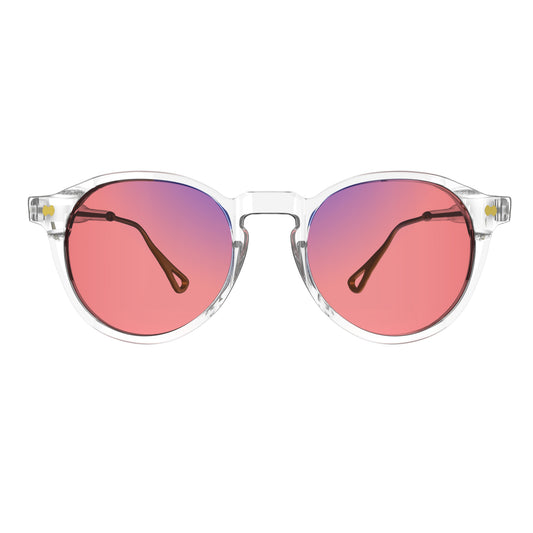
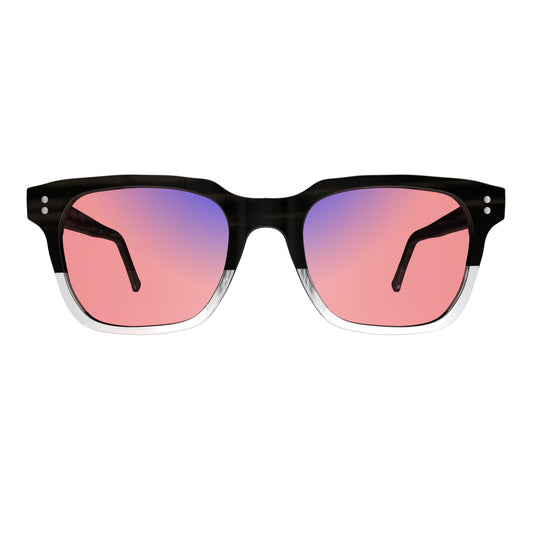
FL-41 and dual-band lenses filter the wavelengths most linked to visual discomfort and photophobia. By softening harsh light and glare, they may reduce one part of the sensory load — though they aren't a treatment for the underlying condition.
Vestibular migraine should be managed with a healthcare professional. Tinted glasses are a comfort tool, not a cure.
FAQ
Can light trigger vestibular migraine?
Bright, flickering or high-contrast light can add to the visual overload that worsens symptoms for many people with vestibular migraine.
Do FL-41 glasses help vestibular migraine?
They may reduce visual discomfort by filtering harsh wavelengths, but they are a comfort aid, not a treatment. Speak with your clinician.
Shop Light-Sensitivity Glasses →
Educational content. Sleepaxa lenses help manage light sensitivity and are not a medical device; they do not diagnose, treat, cure, or prevent any condition. Vestibular migraine should be managed with a healthcare professional.
Tags:
Previous
Office & Fluorescent Light Sensitivity: A 2026 Survival Guide
Next
Do Migraine Glasses Actually Work? An Evidence-Based Answer (2026)


