

Office & Fluorescent Light Sensitivity: A 2026 Survival Guide
If overhead office lights and monitors leave you squinting, drained, or headachy by mid-afternoon, you're not imagining it. Fluorescent and LED lighting is a common trigger for light sensitivity. Here's a practical survival guide.
Why office light is so hard on your eyes
Fluorescent tubes and many LEDs emit strongly in the blue-cyan band and can flicker imperceptibly. For light-sensitive people — especially those prone to migraine — that combination drives glare, eye strain, and headaches.
Practical fixes for the workday
- Position your monitor to avoid direct overhead glare.
- Use warmer, dimmable desk lighting where you can.
- Take regular screen breaks (the 20-20-20 rule).
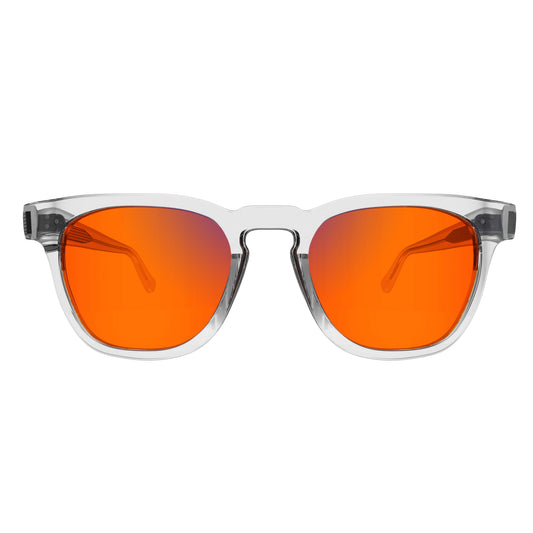
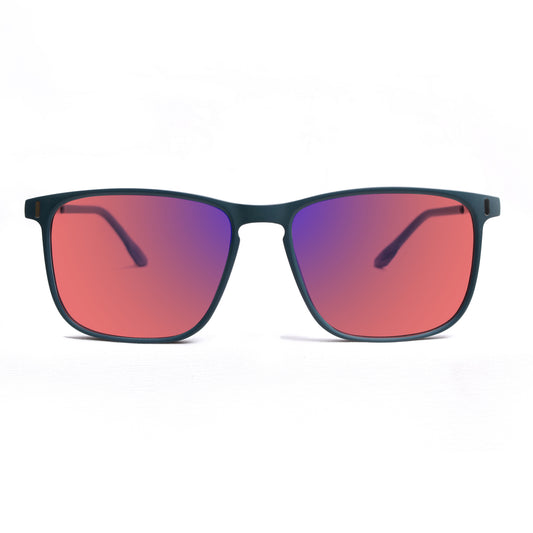
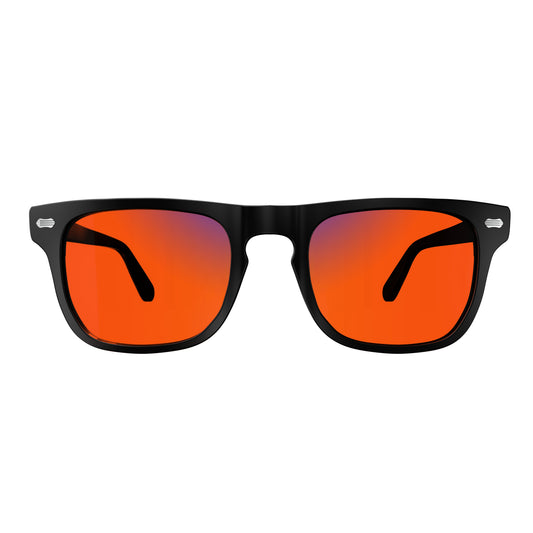
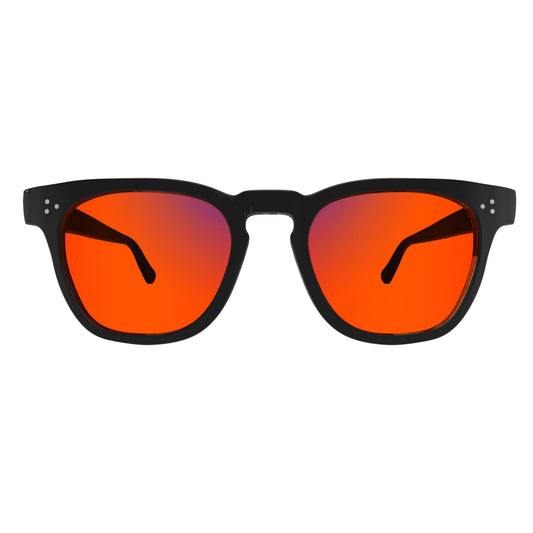
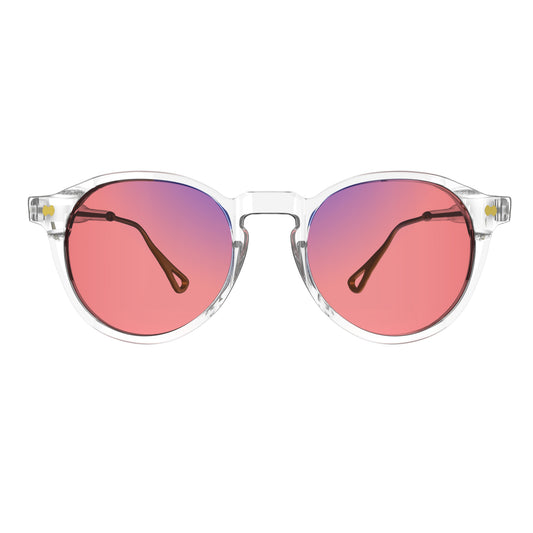
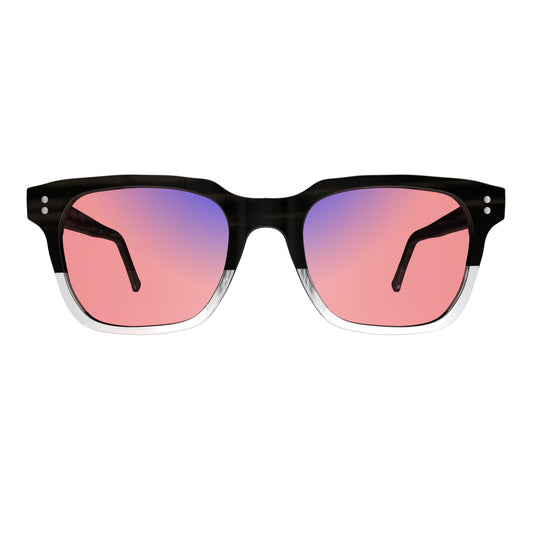
- Wear FL-41 tinted glasses to filter the trigger wavelengths.
Why FL-41 helps at work
FL-41 is the most-researched tint for fluorescent-light and migraine sensitivity — it filters the blue-cyan band that offices are full of. Sleepaxa builds precision FL-41 lenses, plus the patented dual-band NeuroCalm FLX+ for more precision, all available with prescription and prism.
FAQ
Can office lighting cause headaches?
Yes. Fluorescent and some LED lighting emit in the blue-cyan band and can flicker, both of which trigger eye strain and headaches in sensitive people.
Do FL-41 glasses help with fluorescent lights?
FL-41 was originally studied for fluorescent-light sensitivity and filters the wavelengths those lights emit most.
Educational content. Sleepaxa lenses help manage light sensitivity and are not a medical device.
Tags:
Previous
Vestibular Migraine & Light Sensitivity: What Helps (2026)
Next
Do Migraine Glasses Actually Work? An Evidence-Based Answer (2026)


