


Photophobia & Light Sensitivity Glasses: The Complete 2026 Guide (Office Lights, Vestibular Migraine, Concussion)
If ordinary office lights, LED screens or a bright supermarket make your eyes ache, squint or trigger a headache, you're dealing with photophobia — light sensitivity. This 2026 guide, written by an optometrist, explains what causes it, why fluorescent and LED light feel worst, what to do about vestibular migraine and post-concussion light sensitivity, and which glasses actually help indoors.
By Suraj Dubey, optometrist (10+ years, 10,000+ eye exams) · Updated October 2026
Quick answer
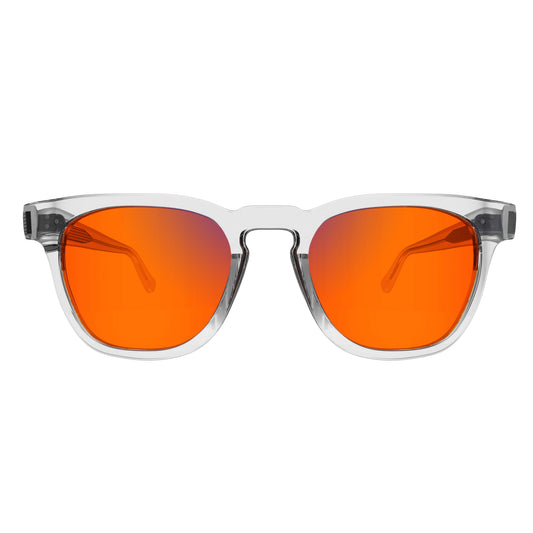
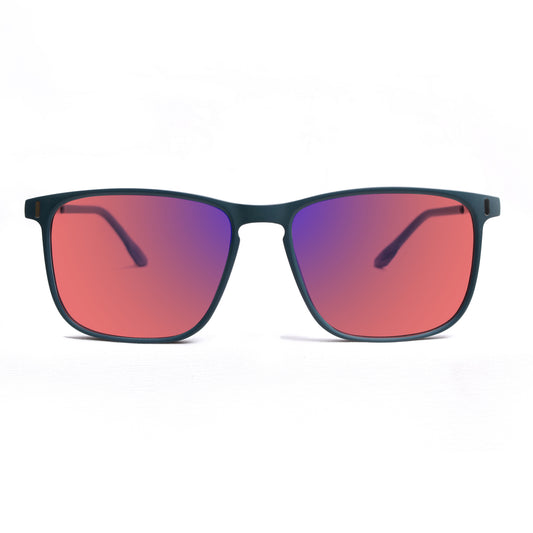
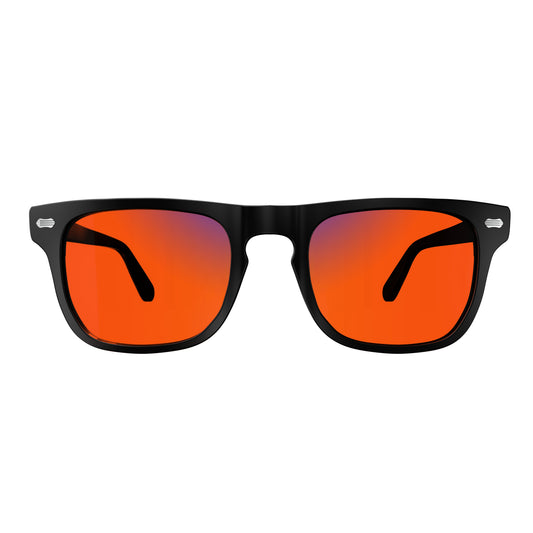
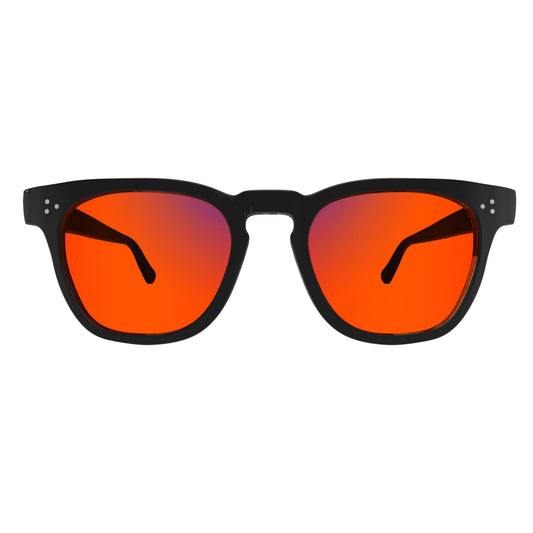
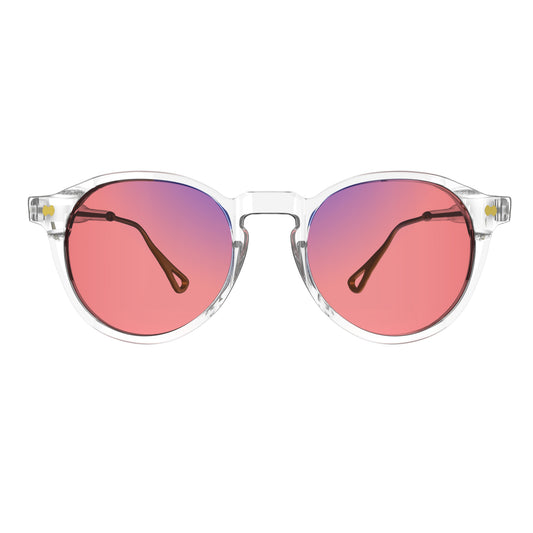
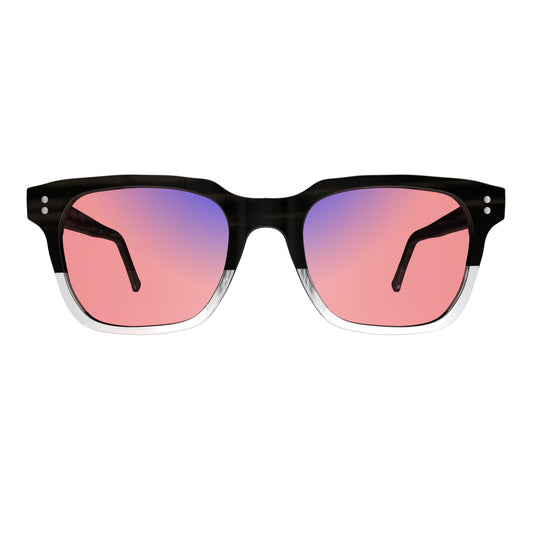
For most indoor light sensitivity, the best glasses are a true FL-41 rose tint — not dark sunglasses. Choose FL-41 Light for all-day office and screen use, or FL-41 Dark for severe photophobia and flare-up days. Sleepaxa makes spectrometer-verified FL-41 in both strengths, in zero power or your prescription.


Shop light sensitivity glasses →
Free US & EU shipping, duties included · 30-day returns on zero-power glasses
What is photophobia?
Photophobia isn't a fear of light — it's discomfort or pain from light levels that don't bother most people. It can feel like eye strain, a need to squint, a pressure headache, or a wave of nausea and dizziness in bright spaces. It is a symptom, not a diagnosis, and it's driven as much by the brain as by the eyes: light signals travel from the retina, including the melanopsin-containing ipRGC cells, into pathways linked with the trigeminal (pain) system. Harvard work in people with migraine (Noseda et al., Nature Neuroscience, 2010) showed that this light-to-pain pathway can operate even when conscious vision is impaired.
Common causes of light sensitivity
- Migraine — the most common cause; most people with migraine are light-sensitive during attacks and many between them
- Vestibular migraine — light sensitivity together with dizziness or imbalance
- Concussion and traumatic brain injury — light sensitivity is one of the most common lasting symptoms
- Dry eye and ocular surface problems
- Blepharospasm and other neurological conditions
- Long screen days under bright, cool-white LED or fluorescent lighting
See a doctor urgently if light sensitivity comes on suddenly with a red or painful eye, blurred vision, a severe or "worst-ever" headache, fever, stiff neck, or after a head injury. Glasses help with comfort; they don't replace a diagnosis.
A review of photophobia mechanisms and management (Katz & Digre, Survey of Ophthalmology, 2016) lists precision-tinted lenses such as FL-41 among the practical, non-drug options once the underlying cause has been assessed.
Why fluorescent and LED lights feel worst
Offices, schools, hospitals and shops are lit with fluorescent tubes or cool-white LEDs. Both have strong spikes in the blue and blue-green part of the spectrum — the region light-sensitive brains find hardest to tolerate. Many fittings also flicker faster than you can consciously see, and overhead panels throw glare straight into your eyes and off desks and screens. That combination is why the office is so often where photophobia peaks.
The best glasses for light sensitivity
| Lens | How it works | Indoors all day? | Verdict |
|---|---|---|---|
| FL-41 Light | Filters the blue-green band (~480–520 nm), keeps vision bright | Yes | Best for most people |
| FL-41 Dark | Same filter, deeper tint | Yes, in bright spaces | Best for severe photophobia |
| Dark sunglasses | Darken everything equally | No | Fine outdoors; indoors they can make sensitivity worse over time |
| Clear blue-light lenses | Light coating on 400–450 nm | Yes | Too weak for photophobia |
| Yellow (DayActive) | Cuts part of the blue band | Yes | Good for screen glare; not designed for photophobia |
Why not just wear sunglasses inside? Your eyes adapt to darkness. Spending all day in dark lenses can make normal indoor light feel even brighter when you take them off — the opposite of what you want. FL-41 filters selectively, so you stay comfortable without dark-adapting. Research on FL-41 goes back more than 30 years, including University of Utah work showing improved light sensitivity and daily function in people with blepharospasm (Blackburn et al., Ophthalmology, 2009).
More on lens choices: blue-light glasses vs FL-41 · best migraine glasses 2026
Light sensitivity at work: an office survival plan
- Wear FL-41 Light all day — it's built for exactly this.
- Turn your screen down to roughly match the room, and use a warmer colour temperature.
- Sit so overhead panels aren't in your line of sight, and angle your monitor to avoid reflections.
- Ask about the lighting — removing one tube above your desk, a diffuser, or a desk lamp with warm light can make a big difference. In the US, light sensitivity linked to migraine or concussion may qualify for workplace accommodations.
- Take short breaks away from the screen every 20–30 minutes.
Already wear glasses? Get the tint in your prescription — prescription & prism FL-41 guide.
Make the office bearable again
FL-41 Light or Dark · zero power or prescription · from $99
Shop FL-41 Glasses →Vestibular migraine and light sensitivity
Vestibular migraine brings dizziness, imbalance or a sense of motion — often with light sensitivity. Busy, bright environments like supermarkets, open-plan offices and screens can overload an already sensitive system. Many people find that softening harsh light and glare with FL-41 reduces one part of that sensory load. Choose a frame with good side coverage, and if you wear glasses, avoid clip-ons: shifting, layered lenses can add visual instability.
Vestibular migraine should be diagnosed and managed with a doctor or vestibular specialist; tinted lenses are a comfort aid alongside that care.
Light sensitivity after concussion
Light sensitivity is one of the most common lingering symptoms after a concussion. Many clinicians suggest avoiding constant dark sunglasses indoors and using a selective tint instead, while gradually re-exposing yourself to normal light. FL-41 Light is a common choice for screens and indoor lighting during recovery. Follow your care team's advice on timing and screen use.
Choosing your frame
- Wider lenses and a closer fit block more light from overhead and the sides.
- Lightweight materials (ULTEM, titanium hybrid) are easier to wear all day — and you'll only benefit if you actually wear them.
- Every Sleepaxa FL-41 frame comes in Light and Dark, zero power or prescription (single vision, progressive, bifocal, prism, high-index).
FAQ
What are the best glasses for light sensitivity?
For most indoor light sensitivity, FL-41 tinted glasses are the best-researched choice. Use FL-41 Light for everyday wear and FL-41 Dark for severe sensitivity.
What glasses help with fluorescent lights?
FL-41 was originally developed for discomfort under fluorescent lighting. It filters the blue-green band where fluorescent and cool-white LED light is strongest.
Should I wear sunglasses indoors for photophobia?
It's best not to. Wearing dark lenses indoors all day can make your eyes more sensitive over time. A selective tint like FL-41 is a better option indoors.
Do glasses help vestibular migraine?
FL-41 lenses can reduce visual discomfort from harsh light and glare, which many people with vestibular migraine find helpful. They are a comfort aid, not a treatment.
Can FL-41 help light sensitivity after concussion?
Many people use FL-41 Light for screens and indoor lighting during concussion recovery. Follow your care team's advice.
Are blue-light glasses enough for photophobia?
Usually not. Clear blue-light coatings filter only a small amount of short-wavelength light and leave the blue-green band most linked to photophobia largely untouched.
Can I get light sensitivity glasses in my prescription?
Yes. Sleepaxa makes FL-41 in single vision, progressive, bifocal and prism prescriptions, with high-index options.
When should I see a doctor about light sensitivity?
Straight away if it starts suddenly with eye pain or redness, blurred vision, a severe headache, fever, a stiff neck or after a head injury.
Shop Light Sensitivity Glasses →
Related: Rose-tinted glasses for photophobia · Why 50,000+ customers choose Sleepaxa
Educational content written by an optometrist. Individual experience varies; speak with your doctor about the cause of your light sensitivity and its treatment.
Tags:
Previous
Blue-Light Glasses vs FL-41: Which Lens Helps Migraine? (Plus TheraSpecs & Avulux)
Next
Blue-Light Glasses vs FL-41: Which Lens Helps Migraine? (Plus TheraSpecs & Avulux)


