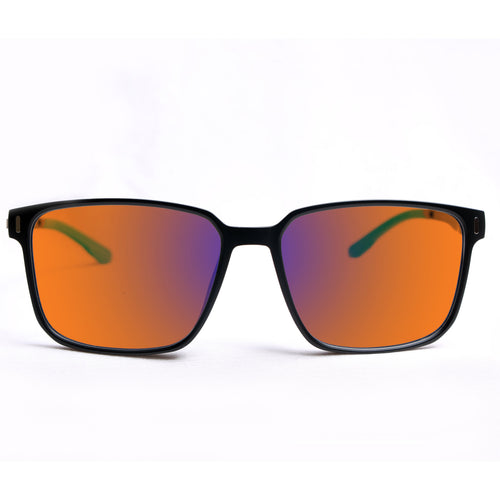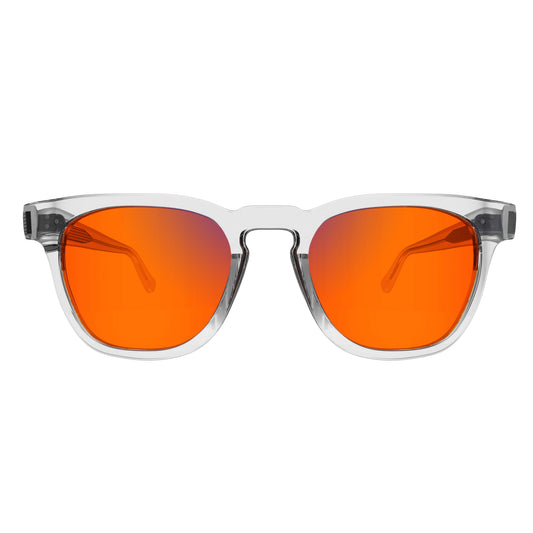
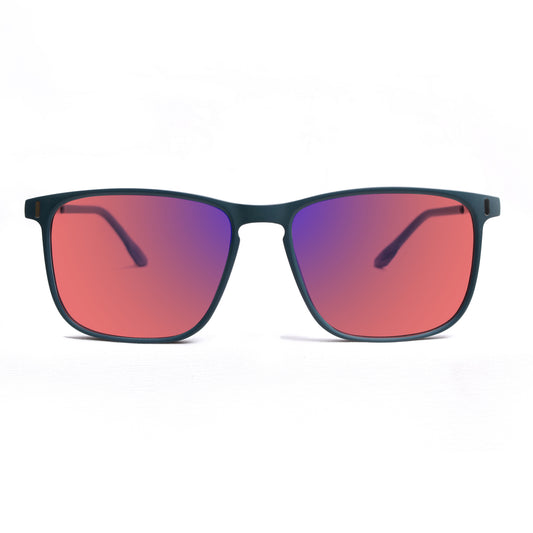
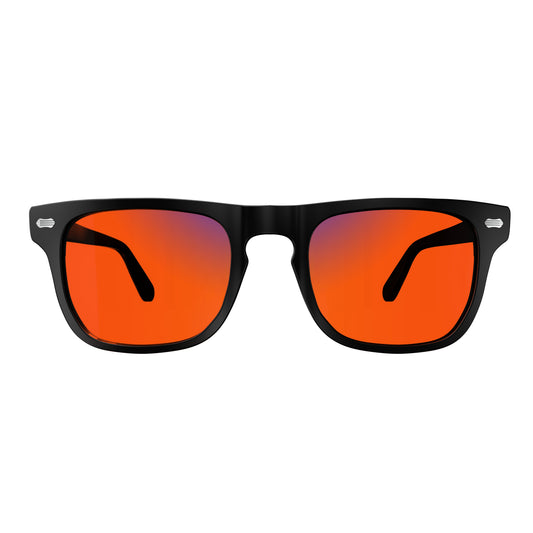
Best Circadian Glasses 2026: What 560nm Really Means
“Circadian glasses” is one of the fastest-growing terms in sleep — and one of the most misunderstood. Here's what they actually do, and the one number that separates real circadian lenses from marketing.
What circadian glasses do
Your body clock is set by light hitting melanopsin-based sensors (ipRGCs) in your eyes. In the evening, that light tells your brain to stay awake and suppresses melatonin. Circadian glasses block the wavelengths responsible — so your natural night-time signal isn't interrupted.
Why 560nm is the number that matters
Melanopsin stays sensitive up to about 560nm. A real circadian lens blocks light cleanly up to that edge. Many “circadian” products only trim a little blue and leave the rest — which is why the cutoff number, and whether it's verified, matters more than the label.
How to choose
- Look for a disclosed, verified nm cutoff — not just “blocks blue light.”
- Deeper tints (red) protect more than light amber for the hours before bed.
- Choose a brand that publishes spectral data.
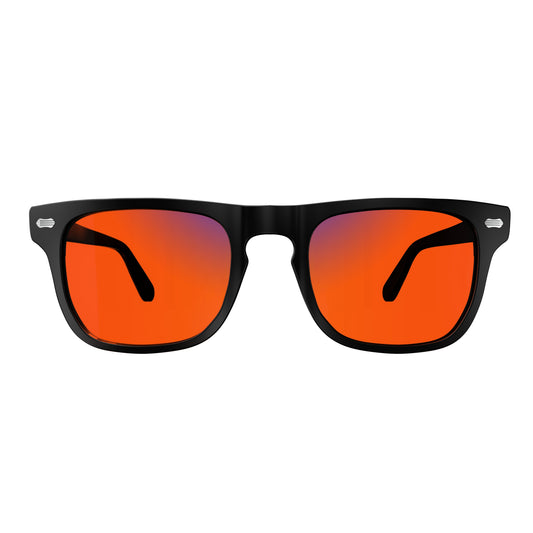
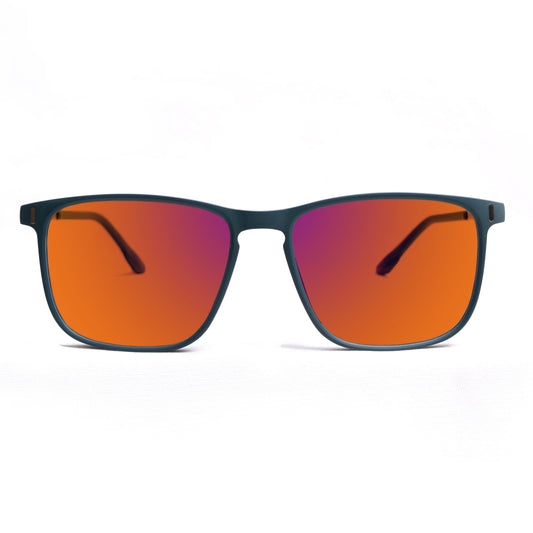
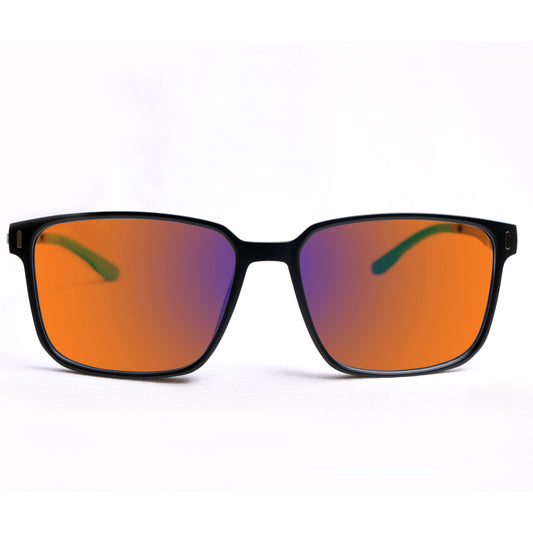
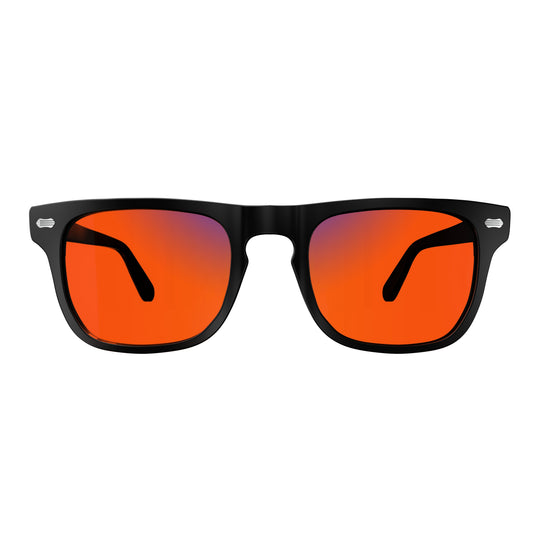
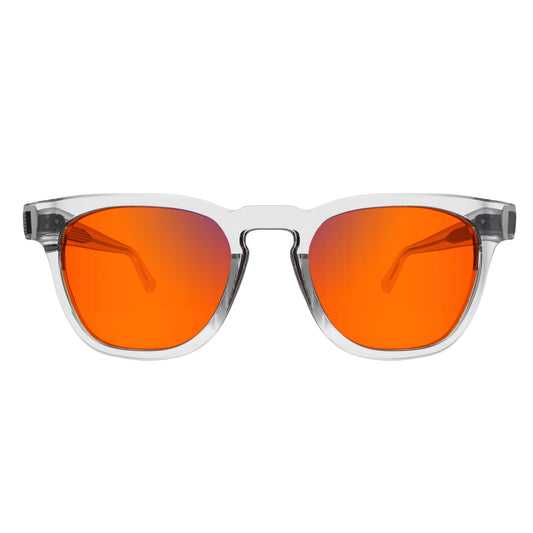
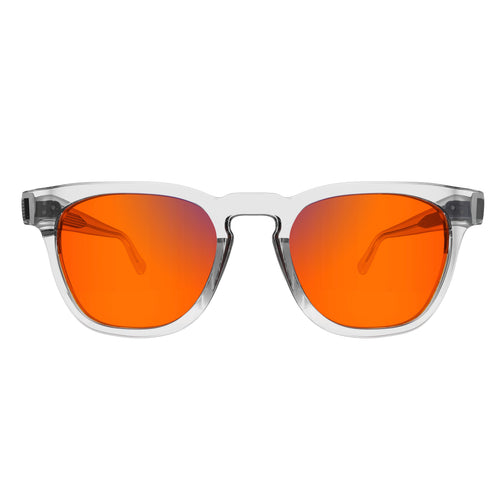
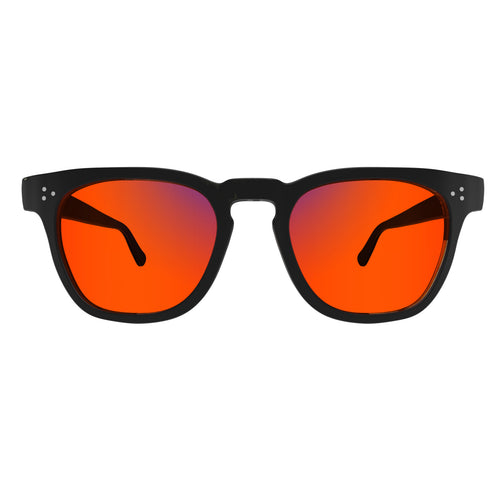
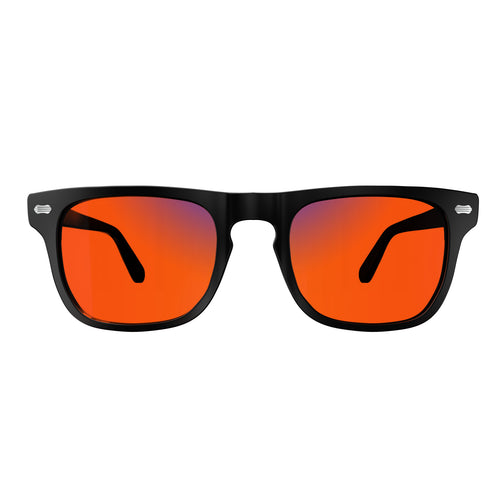
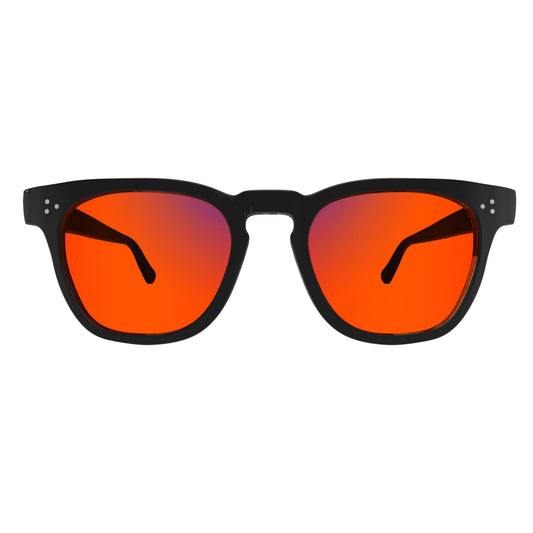
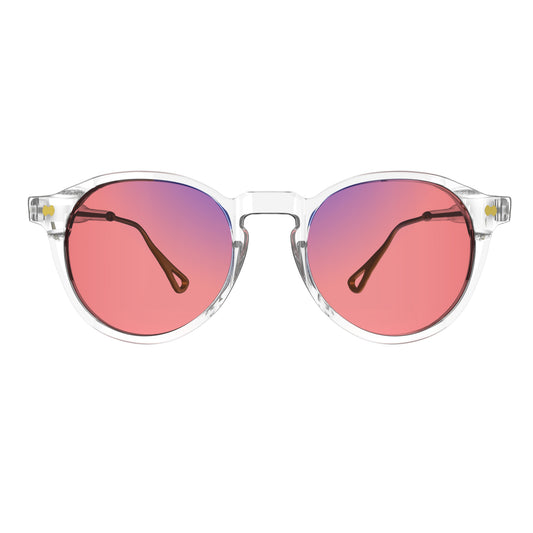
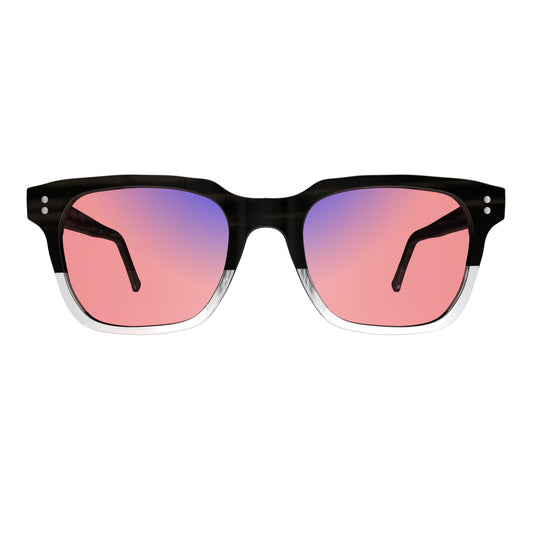
Sleepaxa's Circadian560 is spectrometer-verified to block 100% of light up to 560nm — the outer edge of the melatonin-suppressing range — with Red (to 550nm) and Amber options for lighter needs.
FAQ
What are circadian glasses?
Evening glasses that block the light wavelengths which suppress melatonin, helping protect your natural sleep rhythm.
Why does 560nm matter?
Melanopsin, the sensor that governs your body clock, stays sensitive up to about 560nm, so blocking cleanly to that edge gives the most complete protection.
Deeper dive · Updated October 2026
Measured lens data
| Lens | Measured | When |
|---|---|---|
| Amber | 0.10% at 450 nm, 0.48% at 500 nm (99.5%+ blocked to 500 nm) | Sunset to 1–2 h before bed |
| Red | Zero measured transmission from 380 to 560 nm | Last 1–2 h before bed, indoors |
Figures are single-lens spectrophotometer measurements; lenses are tested to EN ISO 12312-1, ANSI Z80.3 and AS/NZS 1067.1.
The research behind the 560 nm edge
- Circadian560 Spectral Engineering: Sub-560 nm Cutoff for Maximum Melanopic Protection (DOI 10.5281/zenodo.19594265)
- ipRGC Subtypes, Signalling Pathways, and Implications for Photobiological Eyewear Design (DOI 10.5281/zenodo.19500137)
- Wavelength-Selective Filtration in Photobiological Eyewear (DOI 10.5281/zenodo.19422123)
Independent studies support evening blue-blocking: amber lenses worn before bed improved reported sleep quality (Burkhart & Phelps, Chronobiology International, 2009; Shechter et al., Journal of Psychiatric Research, 2018), and blue-blocking glasses reduced melatonin suppression from evening screens (van der Lely et al., Journal of Adolescent Health, 2015).
A simple evening routine
- Morning: 10–30 minutes of daylight
- Sunset: Amber on, warm lamps
- Last 1–2 hours: switch to Red
- Lights out: dark bedroom
Keep reading
- Circadian rhythm glasses: reset your body clock
- Red vs amber vs orange glasses for sleep
- Best sleep glasses 2026
- Night shift workers sleep guide
- Jet lag glasses
- Blue light and melatonin
Educational content. Sleepaxa lenses support healthy sleep rhythms and are not a medical device.
Tags:
Previous
How to Sleep Better When You Use Screens at Night (2026)
Next
Why Sleepaxa Is Becoming a Top US Choice for Sleep Glasses