How to Sleep Better When You Use Screens at Night (2026)
“Just stop using screens before bed” is advice almost no one follows. Here's a realistic guide to protecting your sleep when late-night screens are part of life.
Why night screens hurt sleep
Phones, tablets and TVs emit strongly in the blue-green band that suppresses melatonin. The later and brighter the exposure, the harder it is to fall asleep — and the shallower that sleep tends to be.
Realistic fixes that actually stick
- Turn brightness down and enable night/warm mode.
- Keep the room dim in the last hour before bed.
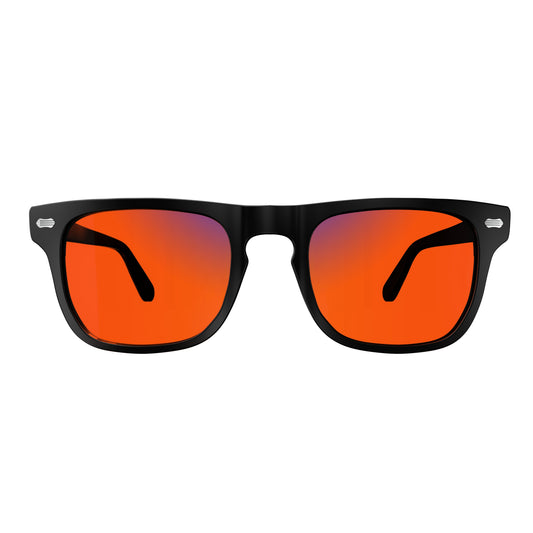
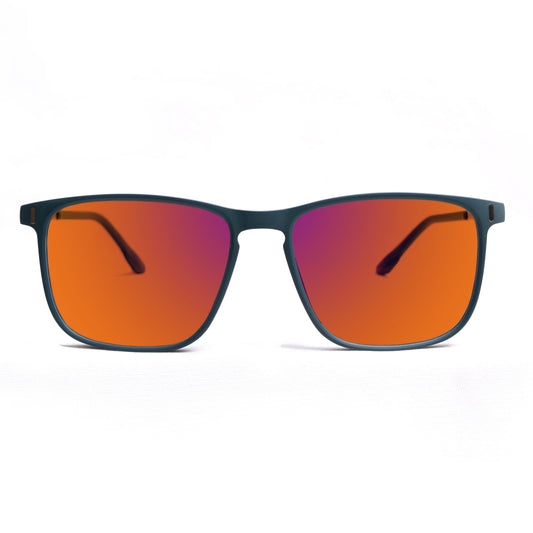
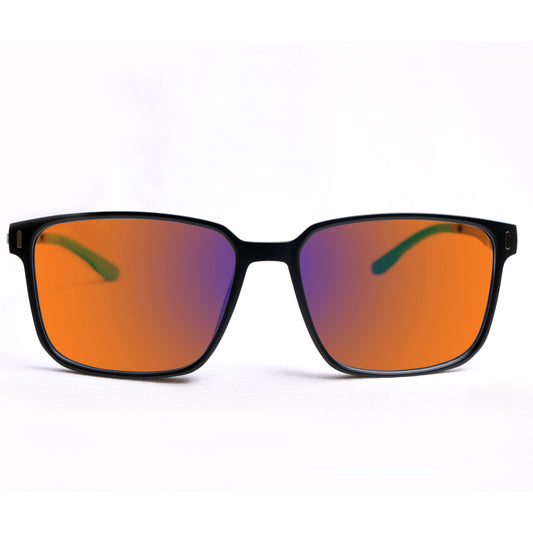
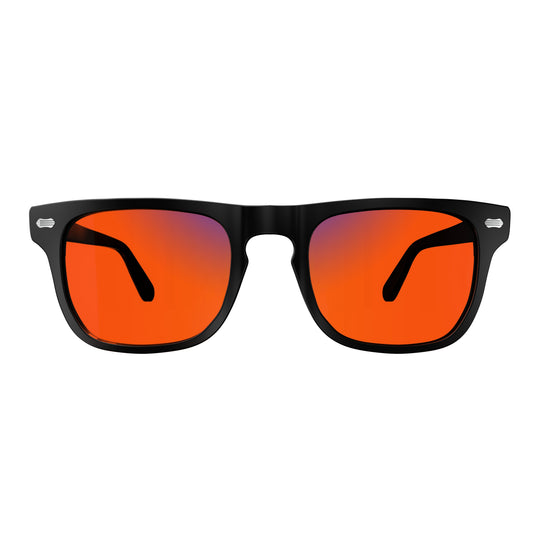
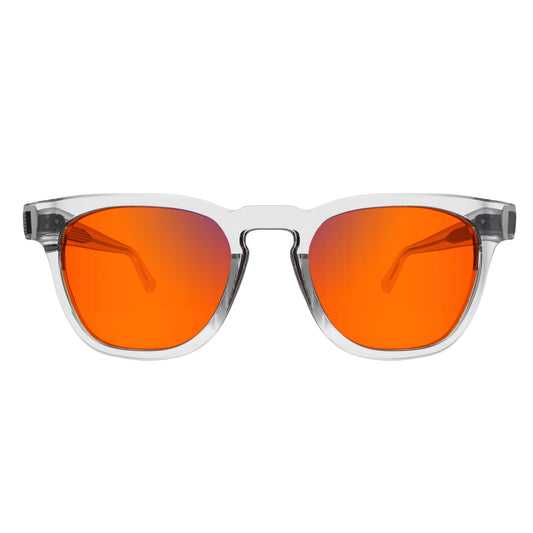
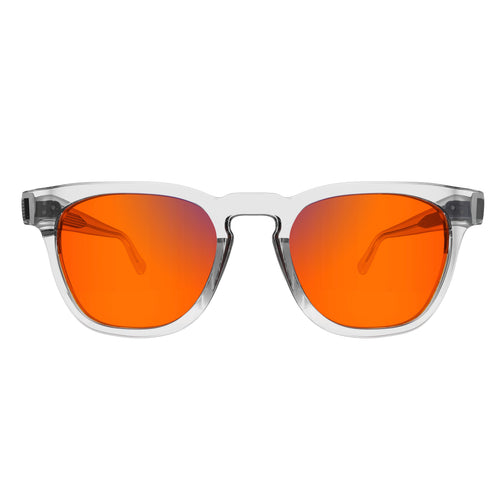
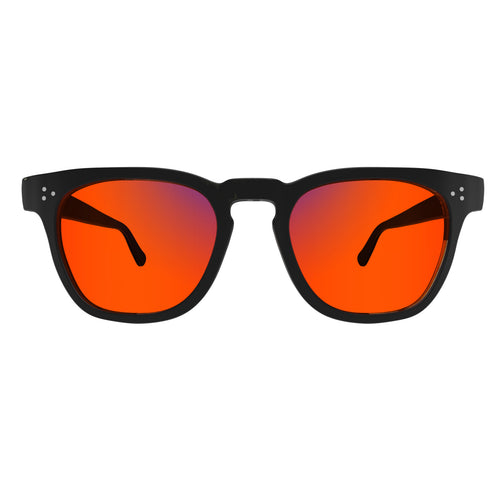
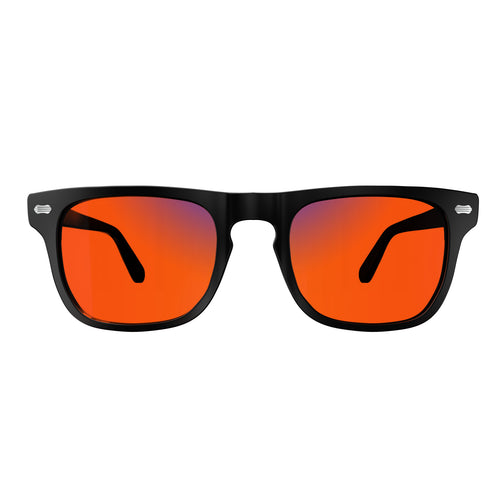
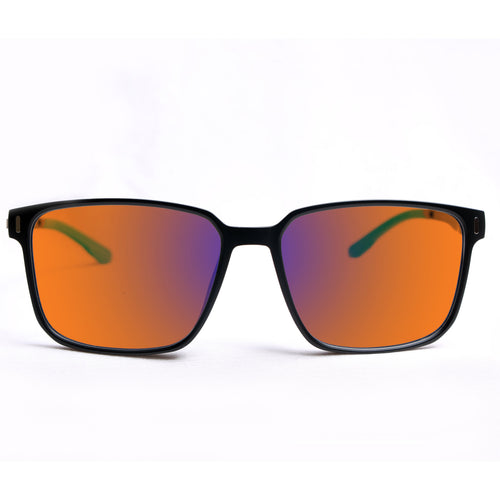
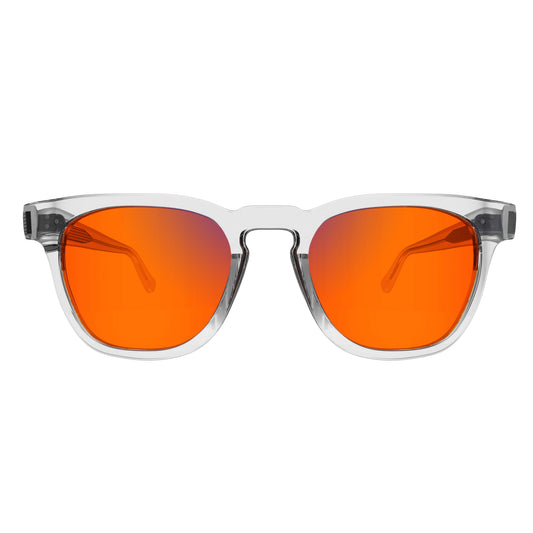
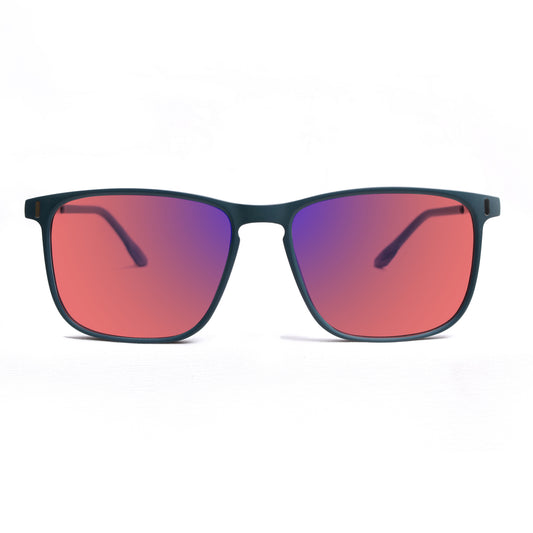
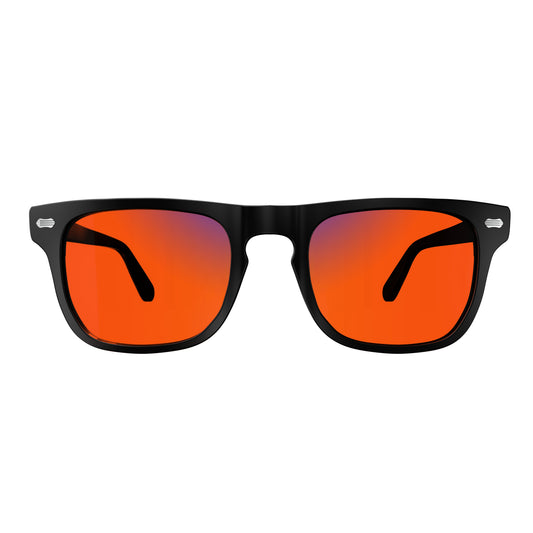
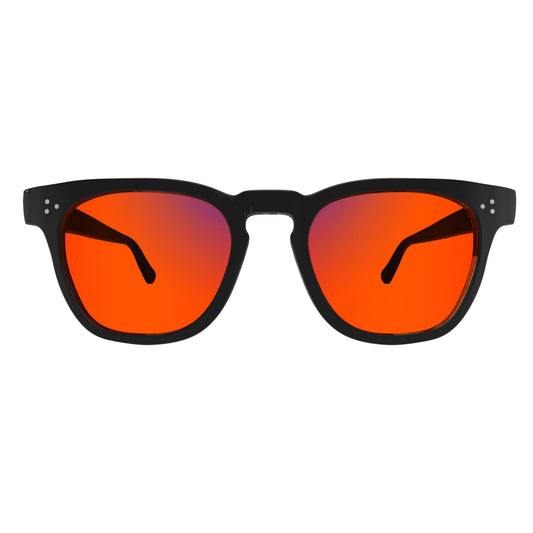
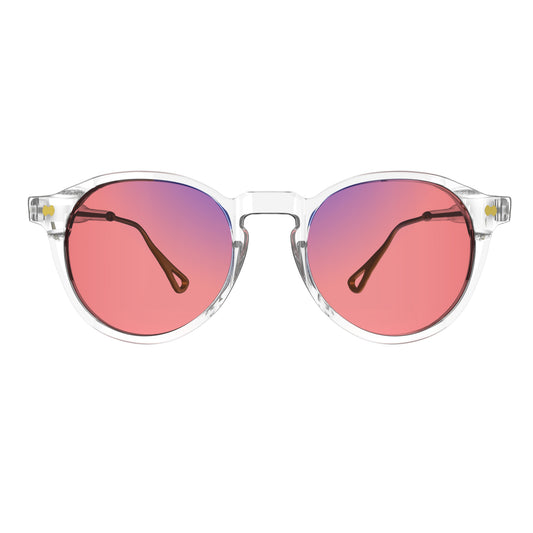
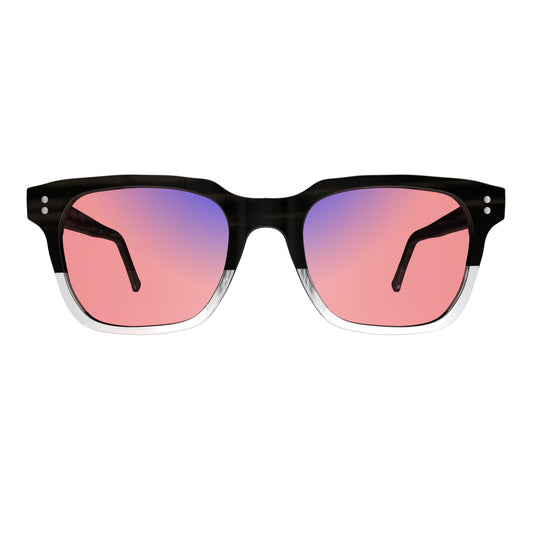
- Wear deep-tint circadian glasses while you scroll — the simplest fix, because it works even when you don't put the phone down.
The easiest win: wear the block
Instead of fighting your habits, filter the light. Sleepaxa's Circadian560 blocks 100% of light up to 560nm, so your melatonin isn't crushed by the screen you're already holding. Red and Amber options suit lighter needs.
FAQ
Do night mode and dark mode fix blue light?
They help a little, but they don't remove the melatonin-suppressing wavelengths. A deep-tint circadian lens blocks far more.
What's the easiest way to sleep better with screens?
Wear deep-tint circadian glasses in the last hour before bed — it works even when you keep using your phone.
Educational content. Sleepaxa lenses support healthy sleep rhythms and are not a medical device.
Tags:
Previous
Best Circadian Glasses 2026: What 560nm Really Means
Next
Why Sleepaxa Is Becoming a Top US Choice for Sleep Glasses