Shift Work & Sleep: How to Protect Your Body Clock (2026)
Night shifts ask your body to sleep when it's wired to be awake. Light is the biggest lever you have to fix that. Here's how shift workers can protect their body clock.
Why shift work is so hard on sleep
Your circadian rhythm is set mainly by light. Bright light at the wrong time — a sunrise commute home, or a bright kitchen before day-sleep — tells your brain it's daytime and suppresses the melatonin you need to fall asleep.
A light strategy for shift workers
- Before day-sleep: block bright light on the commute and at home to protect melatonin.
- During the shift: brighter light helps you stay alert.
- Bedroom: keep it as dark as possible.
Where circadian glasses fit
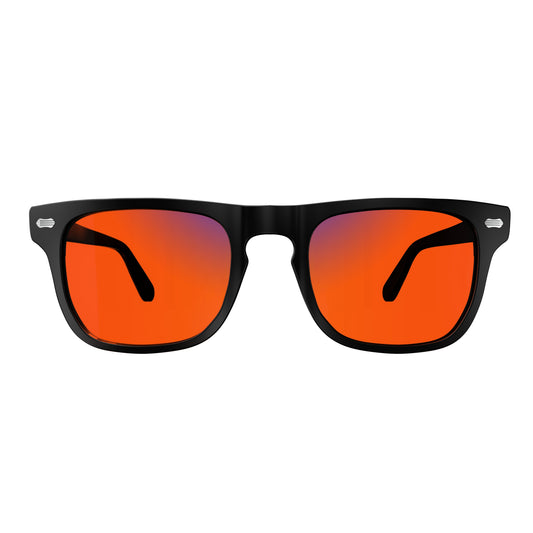
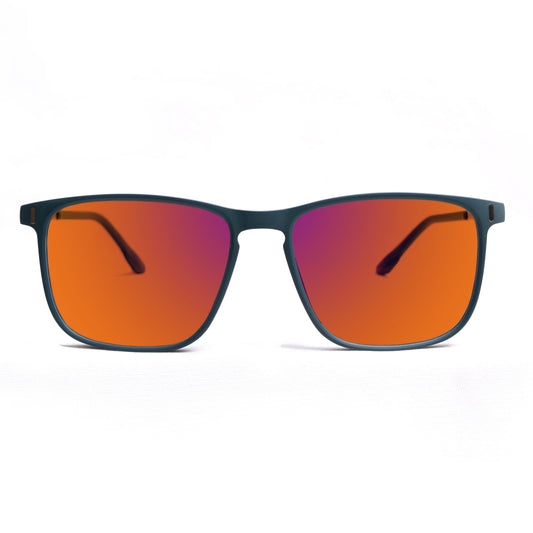
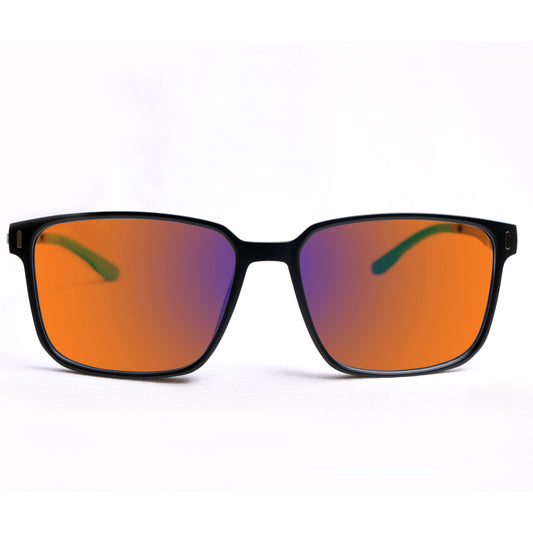
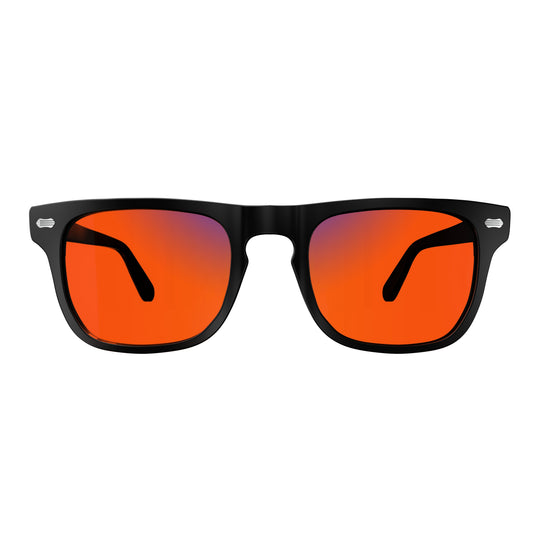
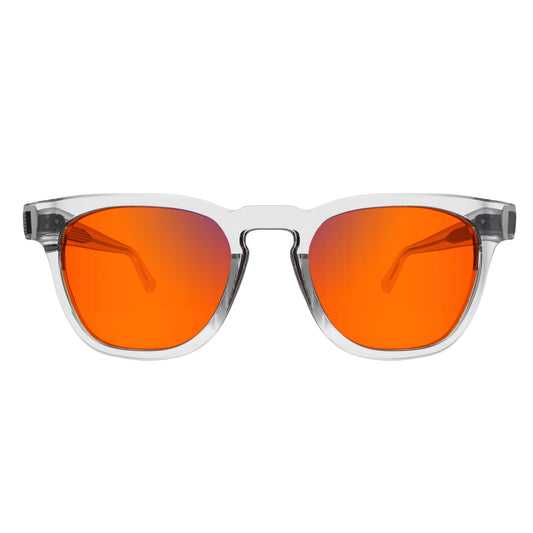
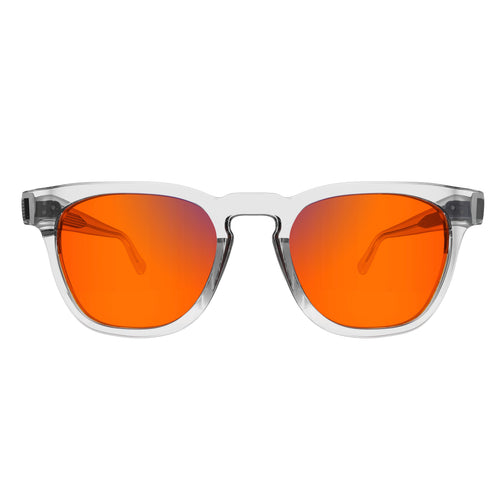
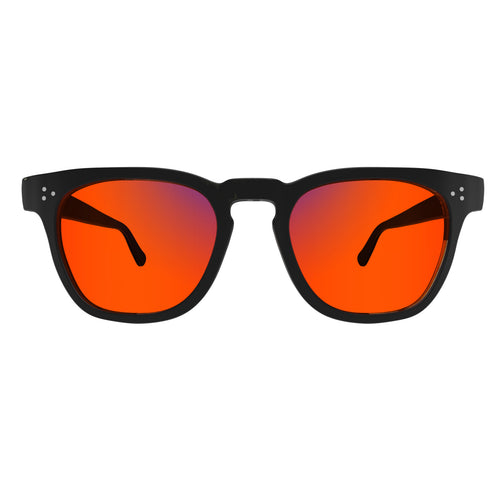
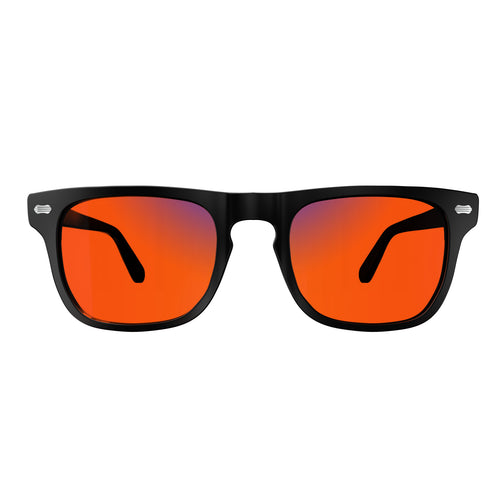
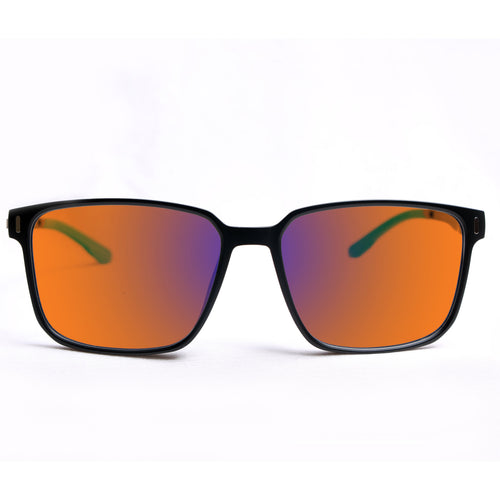
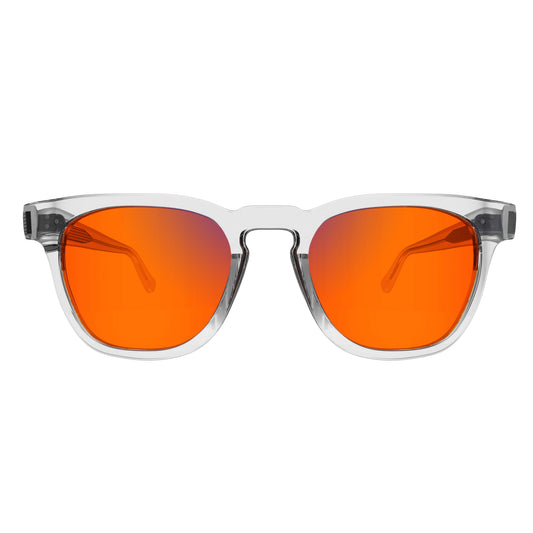
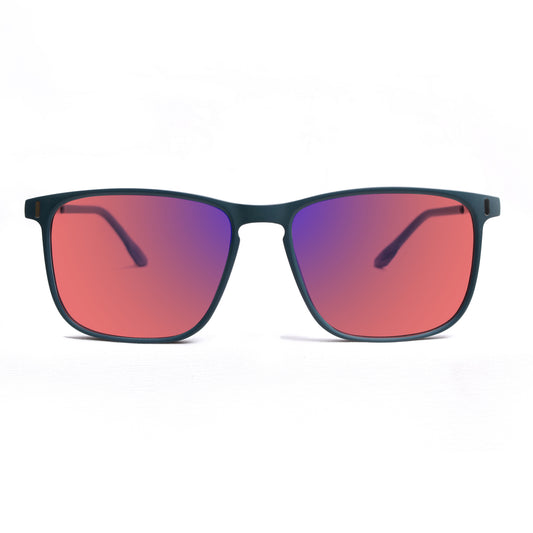
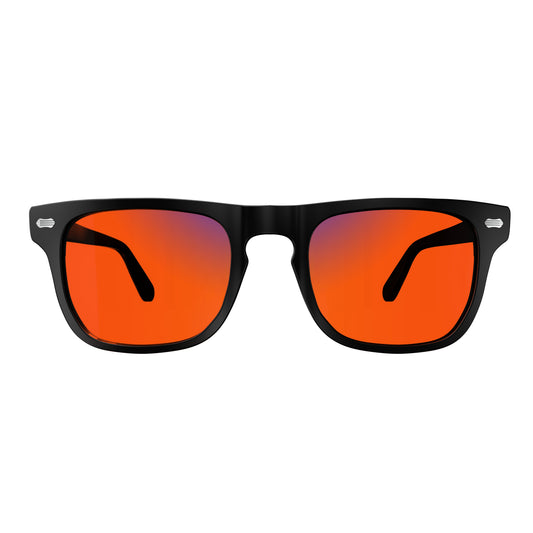
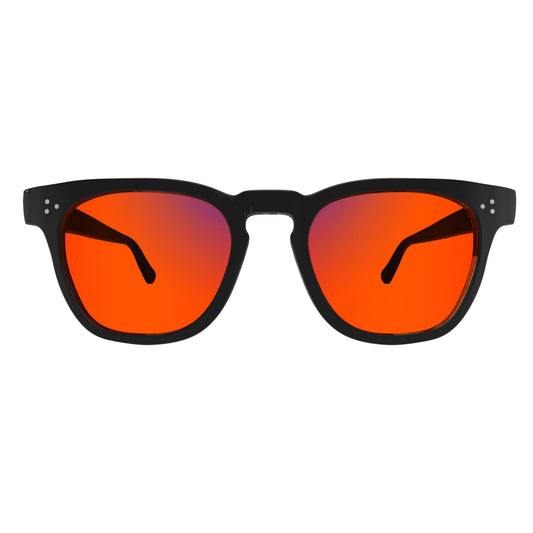
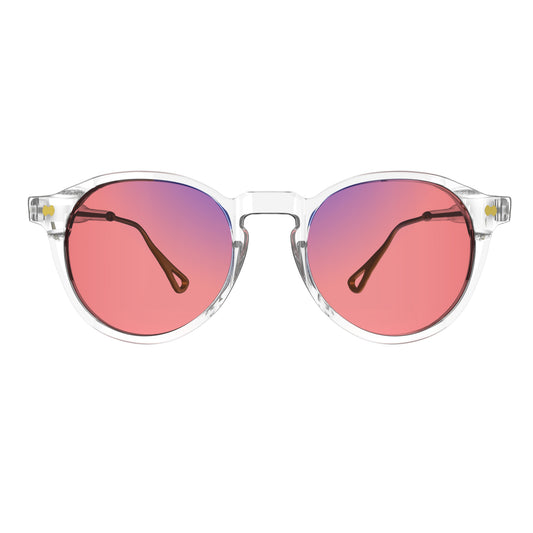
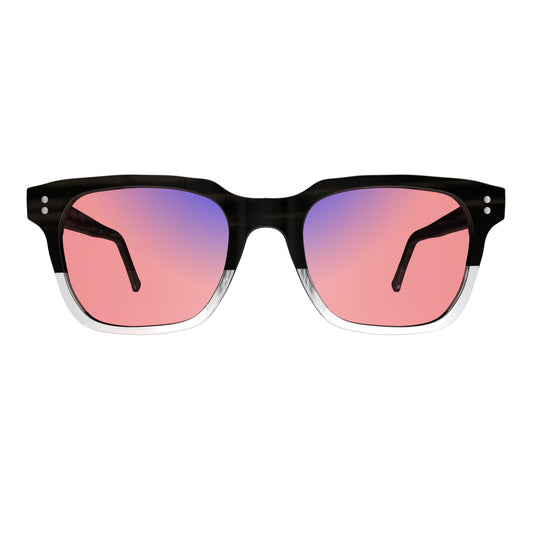
In the couple of hours before you sleep — even if that's 8am — wearing deep-tint circadian glasses blocks the melatonin-suppressing wavelengths so your brain can wind down. Sleepaxa's Circadian560 is verified to block 100% of light up to 560nm, with Red and Amber options for lighter needs.
FAQ
How can shift workers sleep better during the day?
Control light: block bright light before day-sleep, keep the bedroom dark, and get brighter light during the shift to stay alert.
Do circadian glasses help night-shift workers?
Worn before sleep, they block the wavelengths that suppress melatonin, helping the brain wind down even in daylight.
Educational content. Sleepaxa lenses support healthy sleep rhythms and are not a medical device.
Tags:
Previous
Best Sleep Glasses 2026: Amber vs Red Blue Light Blocking Glasses, Explained by an Optometrist
Next
Best Sleep Glasses 2026: Amber vs Red Blue Light Blocking Glasses, Explained by an Optometrist