
Blue Light and Melatonin: Why Your Phone Keeps You Awake (and What Actually Helps)
You put your phone down at midnight, close your eyes, and your brain is still buzzing. It's not just the content. The light from screens and white LED bulbs tells your brain it is still daytime and holds back melatonin. Here's what actually happens, why "night mode" isn't enough, and what does help.
Sleepaxa Optometry Team · Updated October 2026
Quick answer
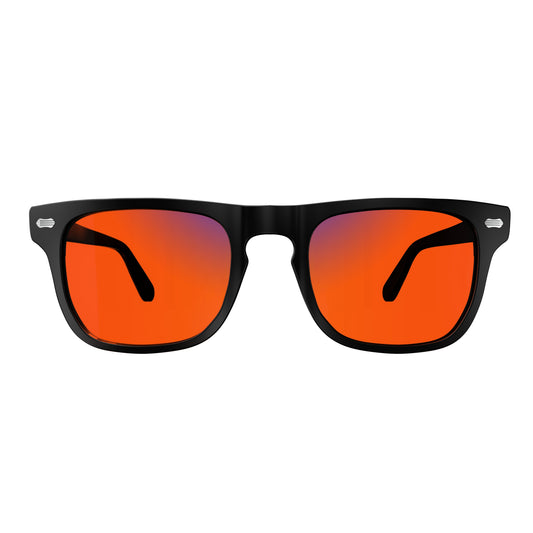
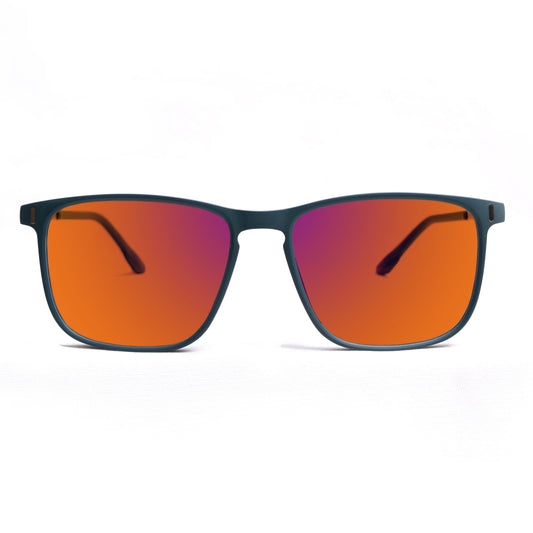
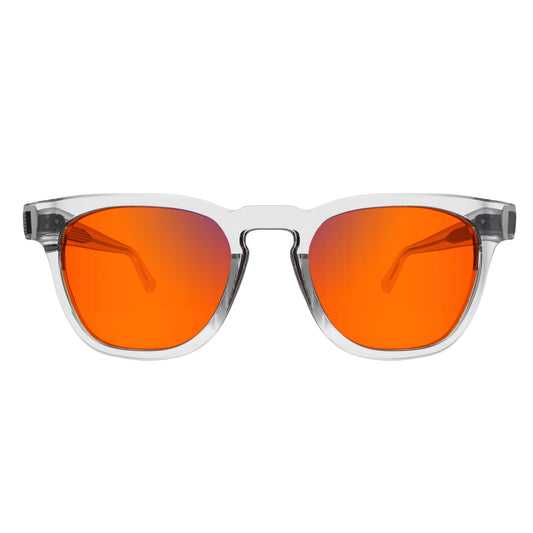
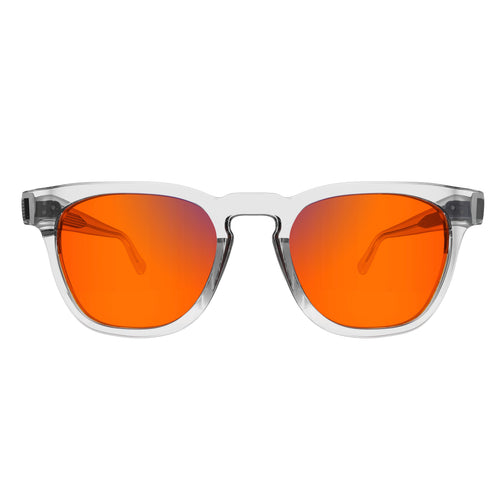
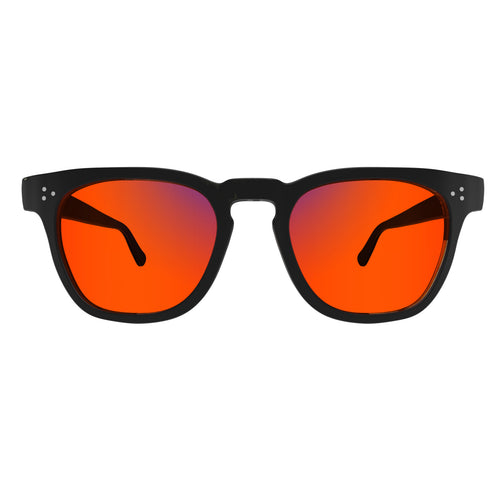
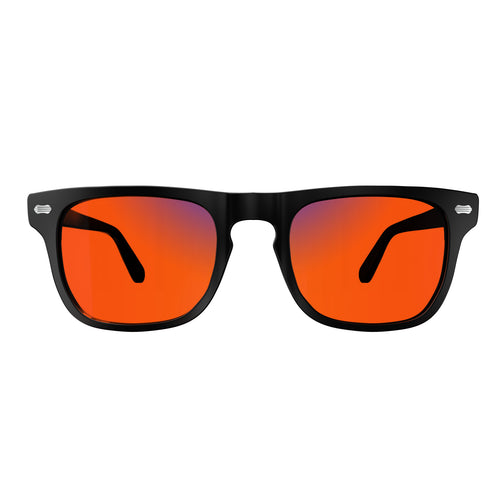
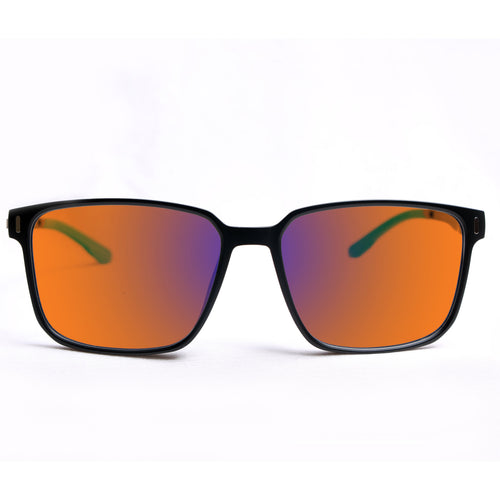
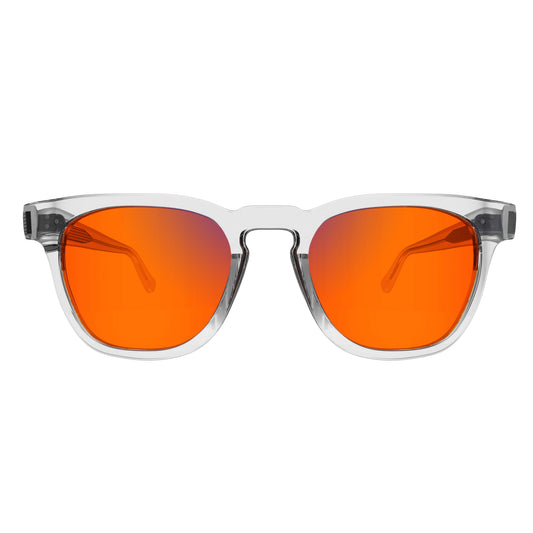
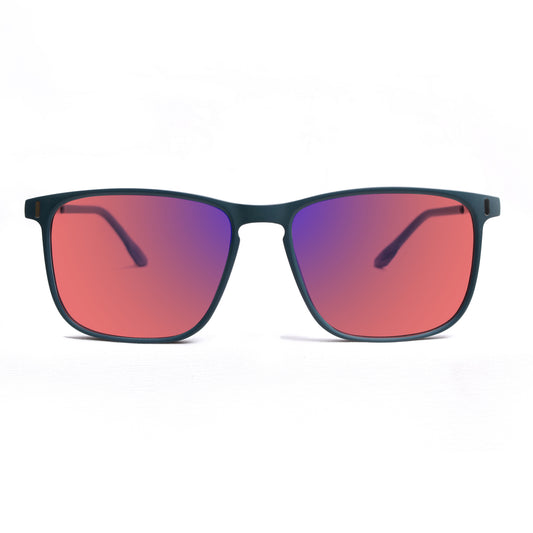
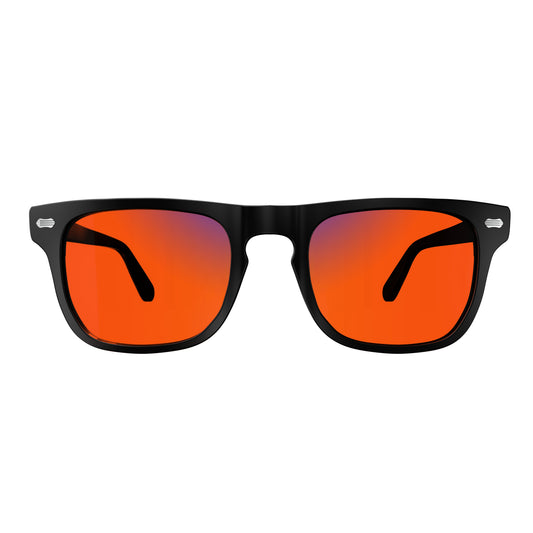
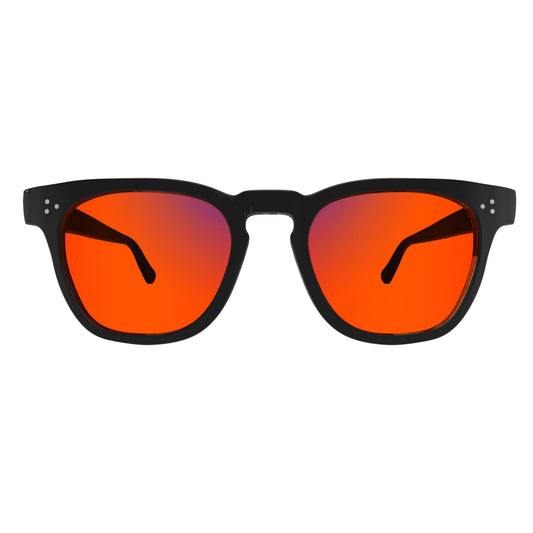
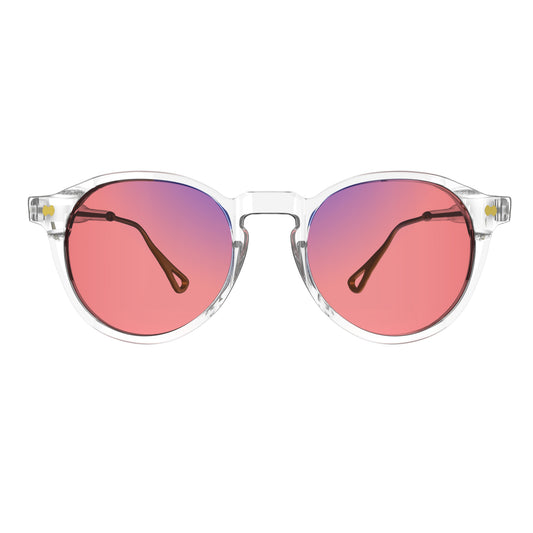
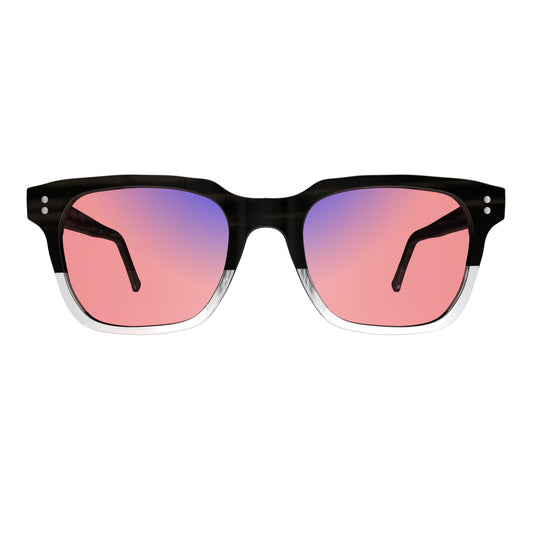
Yes, evening blue light can delay melatonin and make it harder to fall asleep. Night mode and lower brightness help a little; blocking the light at your eyes helps most. Amber glasses (99.5%+ blocked to 500 nm) let you keep using your phone in the evening without sending a daytime signal.
Shop Amber sleep glasses →How screen light affects melatonin
Melatonin normally starts rising 2–3 hours before your usual bedtime. Light reaching special melanopsin cells in the retina, most sensitive around 460–490 nm, can suppress that rise and shift your body clock later. Screens and cool-white LEDs emit a strong peak around 450 nm, right on the edge of that sensitivity.
A well-known Harvard study (Chang et al., PNAS, 2015) compared reading on a light-emitting e-reader with a printed book before bed. With the screen, participants took longer to fall asleep, had lower evening melatonin, a later body clock, and felt less alert the next morning.
Why night mode isn't enough
Night mode warms the colour of the screen, which reduces some blue output, but most phones still emit plenty of light in the blue-green band, and the room lighting around you usually emits even more. Our review of the limits of clear blue-light products, Limitations of Commercial Blue-Light-Filtering Spectacle Lenses (DOI 10.5281/zenodo.19762610), explains why small reductions rarely move the needle for sleep.
| Option | Effect on evening light |
|---|---|
| Night mode / warm screen | Small reduction, screen only |
| Lower brightness | Helps, screen only |
| Clear blue-light glasses | Small share of 400–450 nm |
| Amber glasses | 99.5%+ blocked to 500 nm — screen and room |
| Red glasses | 100% blocked to 560 nm — strongest |
We explain the design logic behind wavelength-specific lenses in ipRGC Subtypes and Implications for Photobiological Eyewear Design (DOI 10.5281/zenodo.19500137).
A realistic evening screen routine
- From sunset: switch to warm lamps and turn off bright overhead lights.
- 2–3 hours before bed: Amber glasses on. Keep scrolling, watching or working if you need to.
- Last hour: switch to Red, or put the phone down and read paper.
- Bedroom: phone out of reach, room dark.
- Morning: daylight soon after waking to reset your clock.
Keep your screens. Lose the daytime signal.
Amber + Red lenses · zero power or prescription · from $93
Shop Sleep Glasses →What about teenagers and students?
Teenagers' body clocks naturally run later, and evening screens push them later still. A study of teenage boys (van der Lely et al., Journal of Adolescent Health, 2015) found that blue-blocking glasses reduced the melatonin suppression caused by evening LED screens. Our frames are designed for adults, so ask an eye-care professional about options for younger people.
Related reading: circadian rhythm glasses guide · red vs amber vs orange glasses.
FAQ
Does blue light from my phone really affect sleep?
Evening light from screens and LED lighting can delay melatonin and shift your body clock later, making it harder to fall asleep. The effect depends on brightness, timing and duration.
Is night mode enough to protect sleep?
It helps a little, but it only changes the screen and still passes light in the blue-green band. Amber glasses reduce light from both screens and room lighting.
How long before bed should I stop using my phone?
Ideally an hour. If that's not realistic, wear amber glasses for the 2–3 hours before bed.
Do clear blue-light glasses help sleep?
Generally not much. They filter too little of the wavelengths that affect melatonin.
Educational content written by optometrists. Individual experience varies; speak with your doctor about ongoing sleep problems.
Tags:
Previous
Night Shift Workers: How to Sleep Better After Your Shift (Glasses, Light & a Sleep Plan)
Next
Red vs Amber vs Orange Blue Blocker Glasses: Which Is Best for Sleep? (2026)