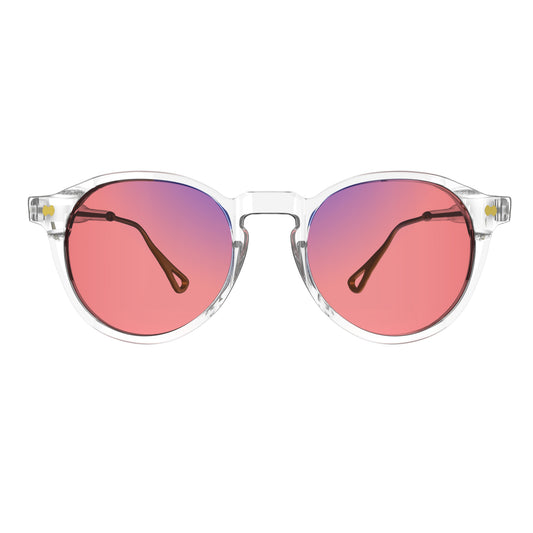
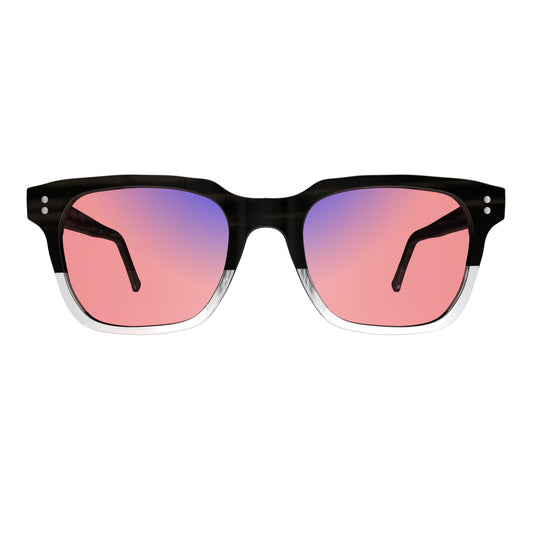

Night Shift Workers: How to Sleep Better After Your Shift (Glasses, Light & a Sleep Plan)
Nurses, doctors, factory and warehouse teams, police, pilots, call-centre staff — millions of people work while the rest of the world sleeps. The hardest part is usually not the shift itself but sleeping afterwards, in daylight, when your body clock is telling you to be awake. This guide explains why, and how to use light and night shift glasses to sleep better after work.
Sleepaxa Optometry Team · Updated October 2026
Quick answer
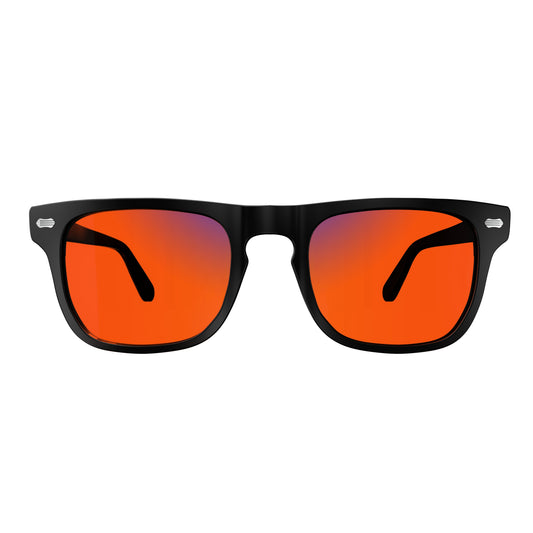
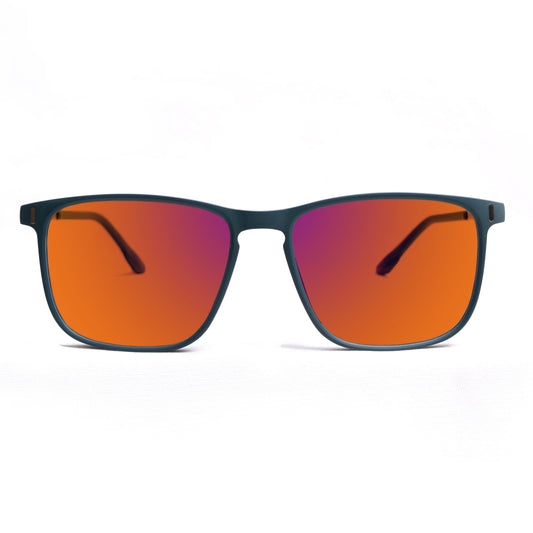
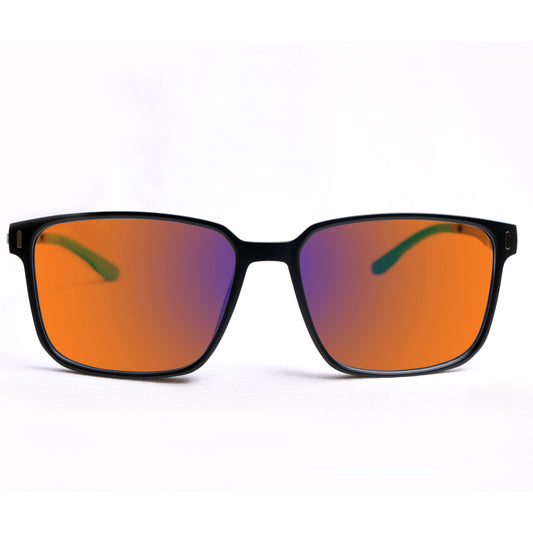
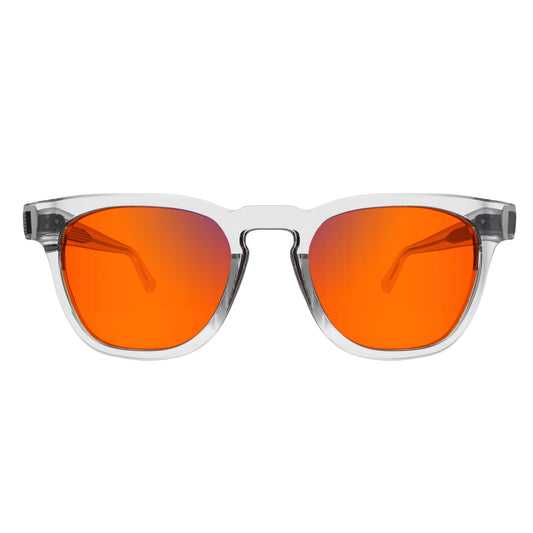
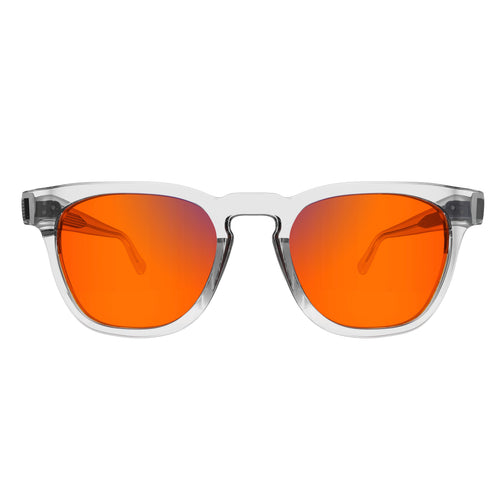
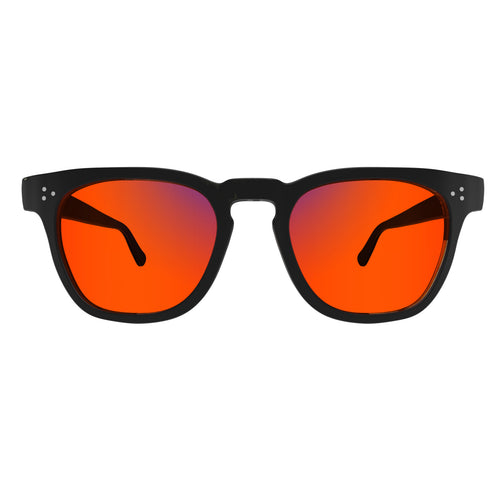
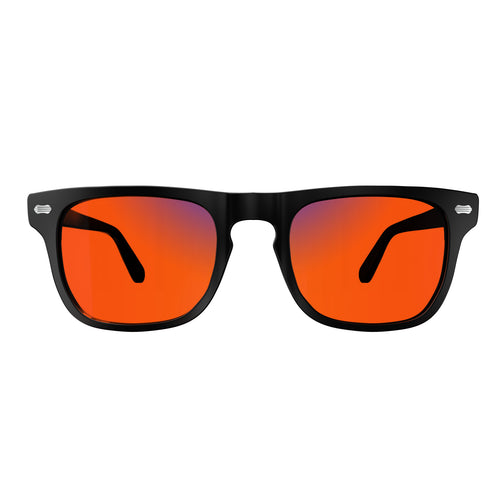
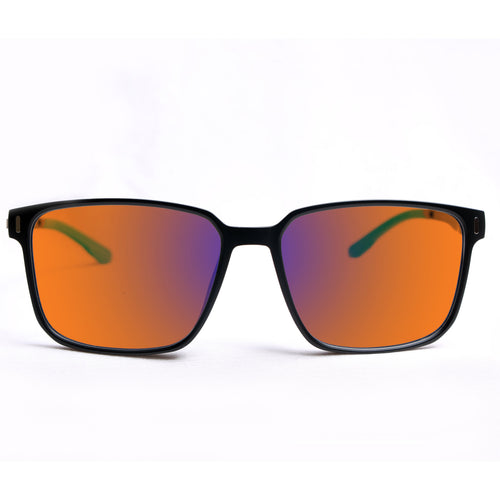
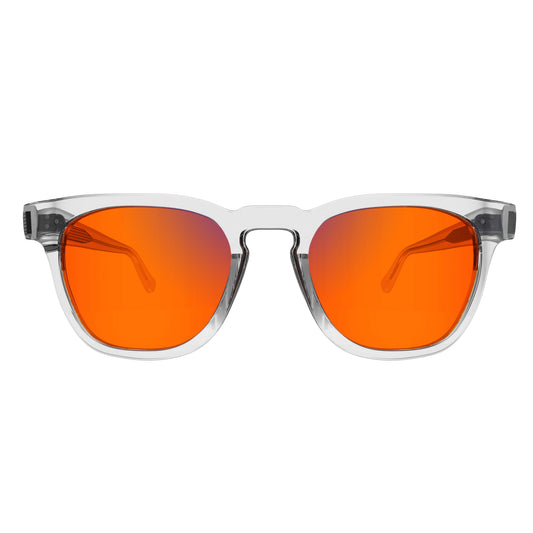
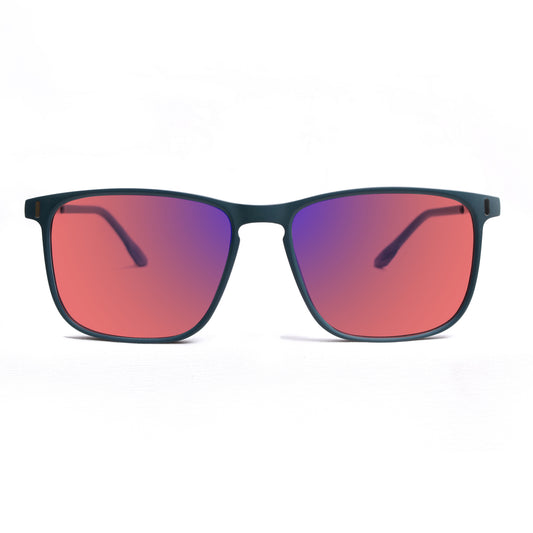
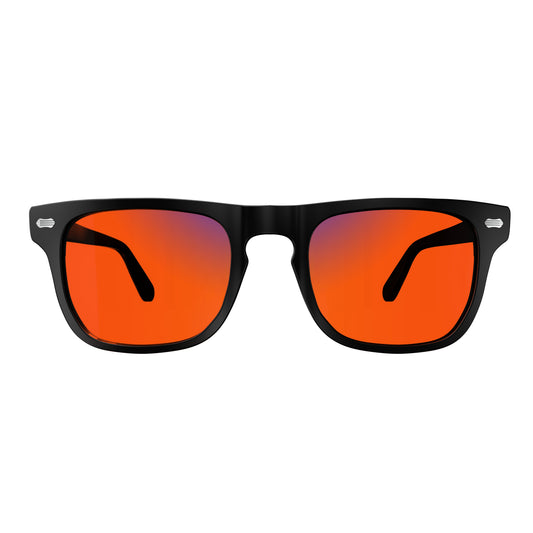
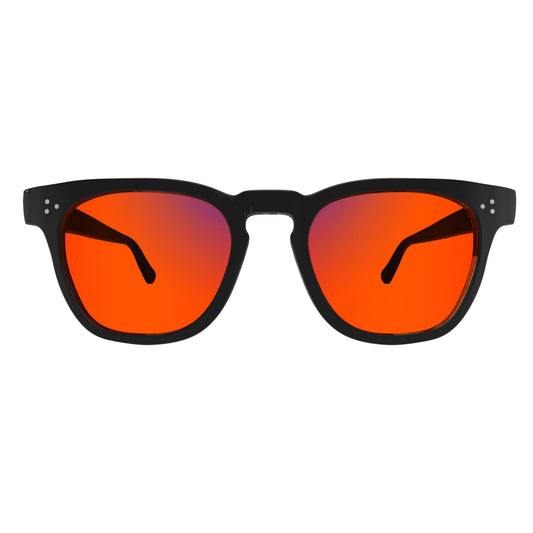
Wear Red (100% blocked to 560 nm) or Amber (99.5%+ blocked to 500 nm) glasses on the way home after a night shift and until you sleep. Morning daylight is the strongest signal telling your brain to stay awake; blocking it at the eyes helps your body treat that time as night.
Shop night shift glasses →Zero power or prescription · Free US & EU shipping
Why sleeping after a night shift is so hard
Your body clock is set mainly by light. After a night shift you usually travel home in bright morning light — exactly the signal that tells the brain's clock it is the start of the day. Melatonin drops, alertness rises, and when you finally lie down your body is fighting you. Over weeks this can lead to shift work sleep disorder: insomnia when you need to sleep and sleepiness when you need to be alert.
Melanopsin cells in the retina, which drive this response, are most sensitive to blue light around 460–490 nm. We review the biology in ipRGC Subtypes, Signalling Pathways, and Implications for Photobiological Eyewear Design (DOI 10.5281/zenodo.19500137).
What the research shows
Researchers in Canada tested this directly. In a study of permanent night-shift workers (Sasseville et al., Chronobiology International, 2009), wearing blue-blocking glasses in the morning after work was associated with longer, better daytime sleep. Earlier work from the same group showed that blue-blocking lenses reduce the ability of bright light to suppress melatonin. The principle is simple: block the daytime signal until you've slept.
Which lens for shift workers?
| Situation | Lens |
|---|---|
| Commute home after a night shift (as a passenger, walking or on transit) | Red or Amber |
| At home before daytime sleep | Red, indoors |
| Evening before a day shift | Amber, then Red |
| Driving home | Don't drive in strong amber or red tints. Use your normal glasses or sunglasses and put the sleep lenses on once you're home. |
Our Red lens measures zero transmission from 380 to 560 nm and is inspired by our patented Circadian560 research, described in Circadian560 Spectral Engineering (DOI 10.5281/zenodo.19594265).
A sleep plan for night shift workers
- During the shift: keep your work area well lit, especially in the first half, to stay alert.
- Last 1–2 hours of the shift: avoid extra bright light where possible.
- Leaving work: put on Red or Amber glasses (unless you're driving). Keep them on until bed.
- At home: blackout curtains, cool room, phone on silent, eye mask if needed.
- Sleep in one main block as soon as you get home, with a short nap before the next shift if needed.
- On days off: try not to swing your schedule completely; a partial shift is easier on your body.
Sleep when your shift says so
Red + Amber lenses · lightweight frames · zero power or prescription
Shop Sleep Glasses →Tips for nurses and healthcare workers
- Keep a pair in your locker so you never forget them on the way home.
- Choose a lightweight frame you can wear over a long commute — our Featherlight ULTEM frames weigh about 12 g.
- If you wear glasses, get the tint in your prescription instead of a clip-on.
- Rotating shifts? Wear Amber in the evening before day shifts and Red after nights.
More on the science: circadian rhythm glasses guide · best sleep glasses 2026.
FAQ
Do blue light glasses help night shift workers sleep?
Strongly tinted amber or red glasses worn on the way home and before daytime sleep can help, because they block the morning light that keeps you awake. Clear blue-light lenses block too little.
Should I wear red or amber glasses after a night shift?
Red blocks more and is best before daytime sleep. Amber is fine for the commute if you need more visibility.
Can I drive with sleep glasses after a night shift?
No. Strong amber and red tints reduce light and change how traffic signals look. Put them on once you're home.
Can I get night shift glasses with my prescription?
Yes, in single vision, progressive, bifocal and prism.
Educational content written by optometrists. If you have persistent insomnia or excessive sleepiness, speak with your doctor about shift work sleep disorder.
Tags:
Previous
Circadian Rhythm Glasses: How to Reset Your Body Clock With Light (2026 Guide)
Next
Blue Light and Melatonin: Why Your Phone Keeps You Awake (and What Actually Helps)