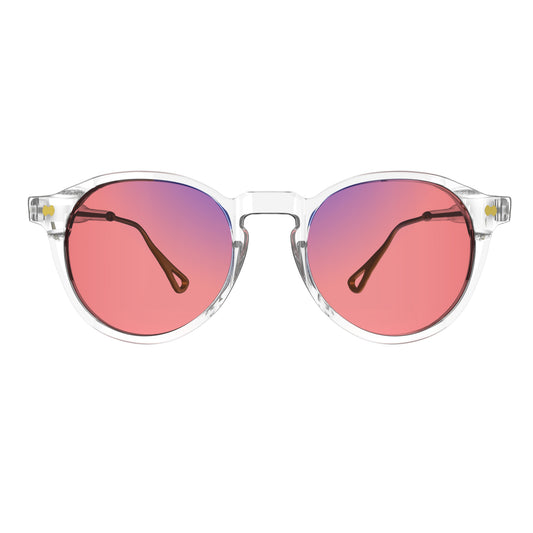
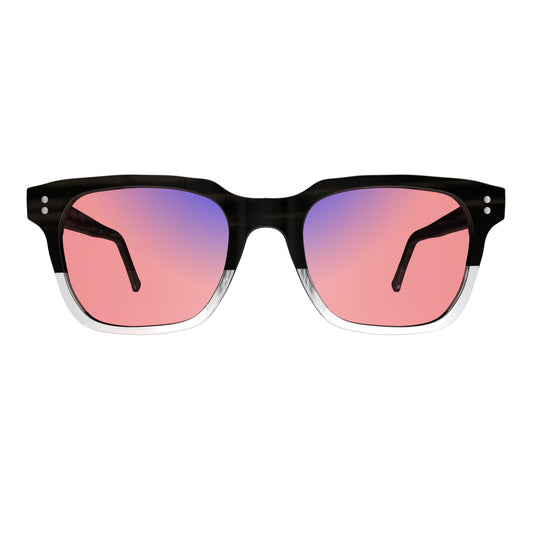

Circadian Rhythm Glasses: How to Reset Your Body Clock With Light (2026 Guide)
Your body runs on a roughly 24-hour clock, and light is the main thing that sets it. Get bright light at the wrong time and your sleep, energy and mood drift out of sync. Circadian rhythm glasses are one of the simplest tools for controlling the light that reaches your eyes in the evening. Here is how they work, which lens to wear when, and the full daily routine our optometry team recommends.
Sleepaxa Optometry Team · Updated October 2026
Quick answer
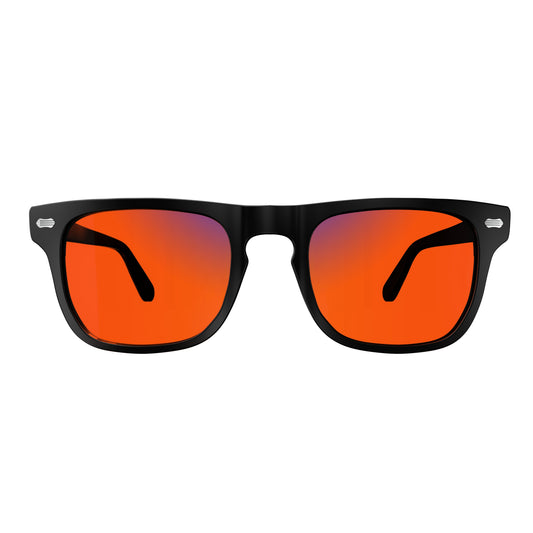
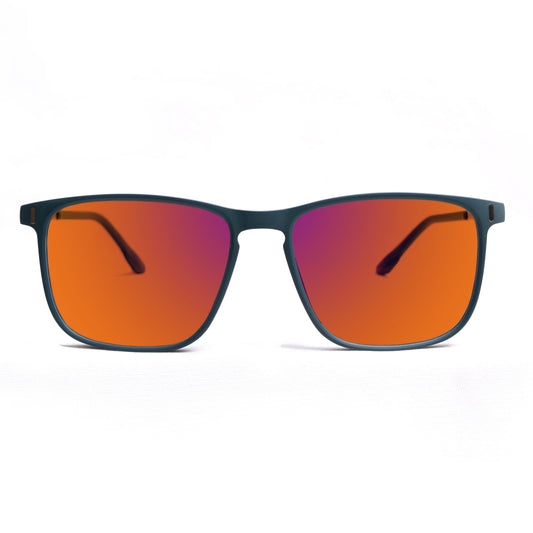
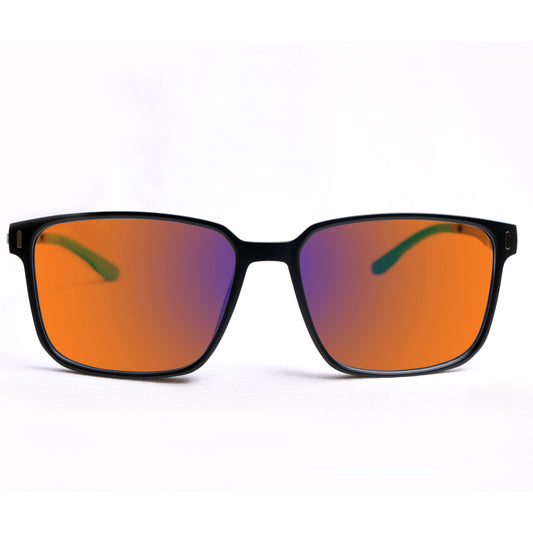
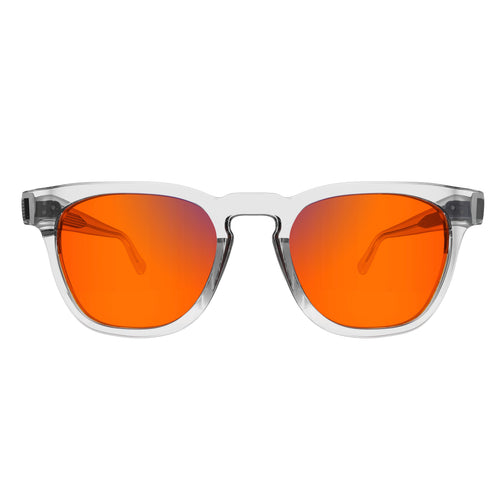
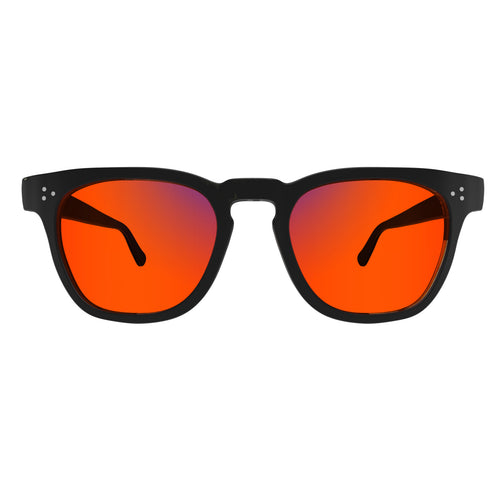
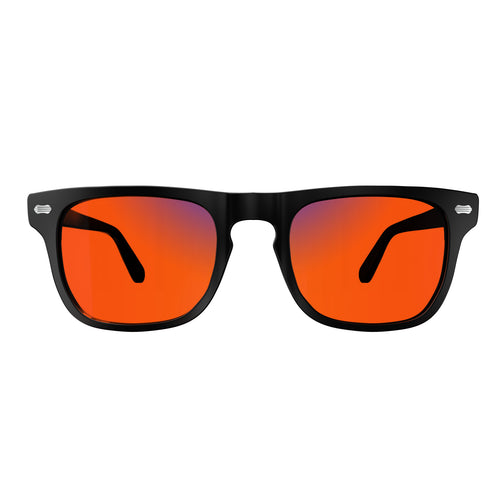
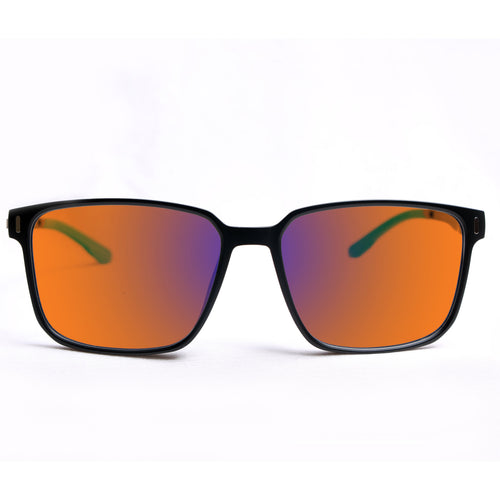
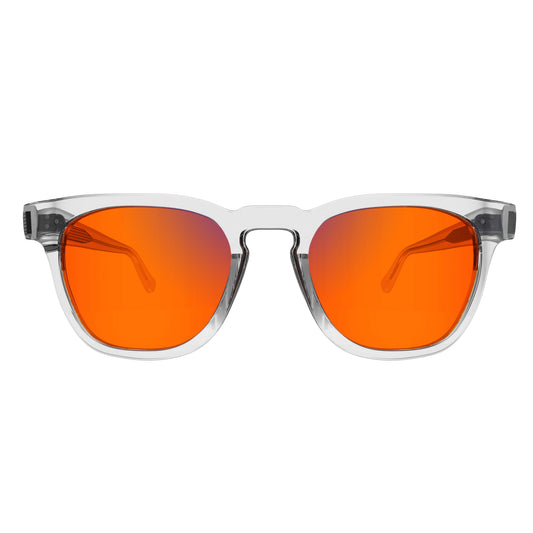
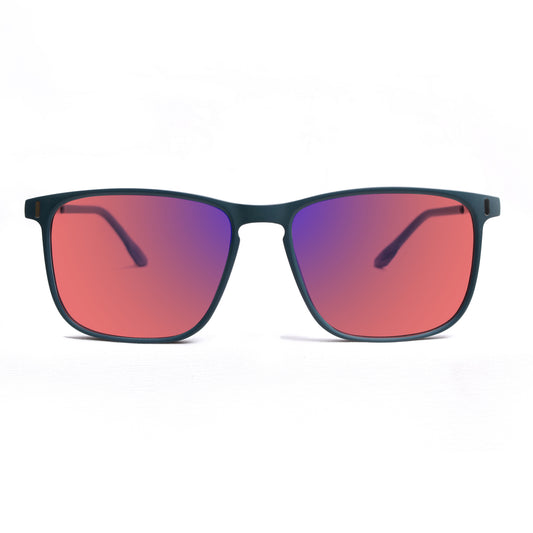
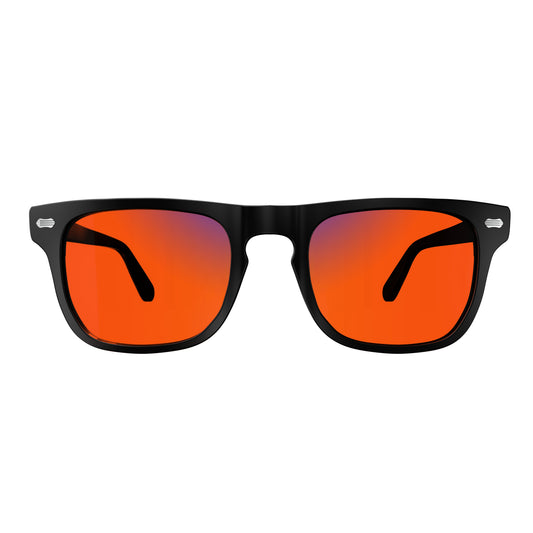
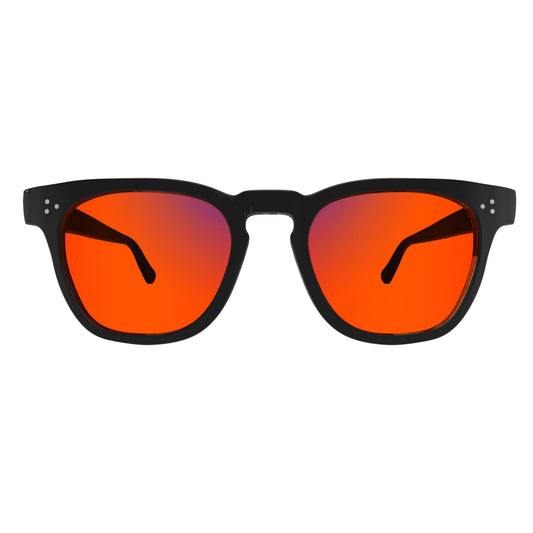
Circadian rhythm glasses block the blue and blue-green light that tells your brain it is daytime. Wear Amber (99.5%+ blocked to 500 nm) from sunset, switch to Red (100% blocked to 560 nm) for the last 1–2 hours before bed, and get bright daylight in the morning.
Shop circadian glasses → Amber vs Red guideZero power or prescription · Free US & EU shipping, duties included
What is your circadian rhythm?
Your circadian rhythm is the internal clock in the brain (the suprachiasmatic nucleus) that times sleep, alertness, body temperature, hormone release and digestion across 24 hours. It runs slightly longer or shorter than 24 hours on its own, so it needs a daily reset signal. The strongest signal by far is light entering your eyes.
How light sets your body clock
Besides rods and cones, your retina contains intrinsically photosensitive retinal ganglion cells (ipRGCs) that use a pigment called melanopsin. They don't help you see; they report to your brain whether it is day or night. Melanopsin is most sensitive to blue light around 460–490 nm. Bright light in the morning advances your clock and lifts alertness. The same light in the evening delays your clock and suppresses melatonin, the hormone that prepares you for sleep.
Our research team reviewed the different ipRGC subtypes and what they mean for lens design in ipRGC Subtypes, Signalling Pathways, and Implications for Photobiological Eyewear Design (Zenodo, DOI 10.5281/zenodo.19500137).
Signs your body clock is out of sync
- You feel wired at 11 pm but exhausted at 7 am
- It takes more than 30 minutes to fall asleep most nights
- Your sleep time shifts later every weekend ("social jet lag")
- You work shifts, travel across time zones, or spend evenings on screens
- You wake up unrefreshed even after enough hours in bed
What circadian rhythm glasses actually do
They act as a light filter for the melanopsin system. A good pair removes the wavelengths that drive melatonin suppression while leaving enough light to live normally in the evening. The key is a stated cut-off wavelength, not a vague "blocks 90% of blue light" claim. Our foundational paper on this approach is Wavelength-Selective Filtration in Photobiological Eyewear (DOI 10.5281/zenodo.19422123).
| Lens | Measured cut-off | When to wear |
|---|---|---|
| Amber | 99.5%+ blocked to 500 nm | Sunset to 1–2 h before bed |
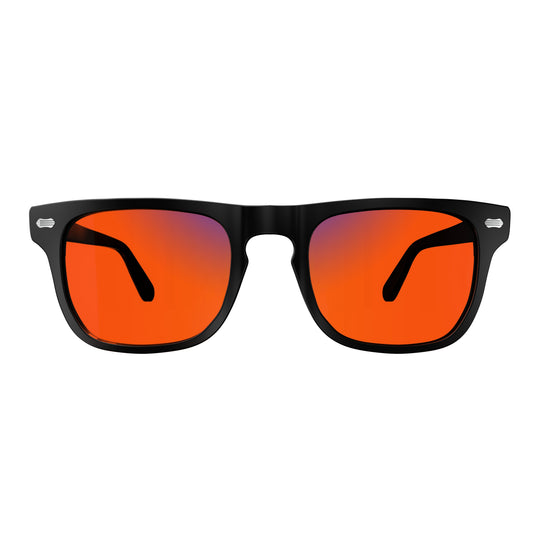
| Red | 100% blocked to 560 nm | Last 1–2 h before bed, indoors |
| Clear blue-light | Small share of 400–450 nm | Not enough for the body clock |
Our Red lens is inspired by Circadian560, our team's patented lens technology (patent no. 597482), described in Circadian560 Spectral Engineering: Sub-560 nm Cutoff for Maximum Melanopic Protection (DOI 10.5281/zenodo.19594265).
The 24-hour light routine
- Within an hour of waking: 10–30 minutes of outdoor daylight, no sunglasses if comfortable. This anchors your clock.
- Daytime: work near a window; take breaks outside.
- Sunset or 3 hours before bed: put on Amber. Dim overhead lights and use warm lamps.
- 1–2 hours before bed: switch to Red, especially if you're on your phone.
- Lights out: keep the bedroom dark. If you get up at night, put Red on before switching on a light.
Consistency beats perfection: the same wake time every day matters as much as the glasses.
Give your body clock a clear night signal
Amber + Red · 55 frames · zero power or prescription · from $93
Shop Sleep & Circadian Glasses →Who benefits most
- Night owls trying to move bedtime earlier
- Shift workers — see our night shift sleep guide
- Frequent travellers — see jet lag glasses
- Late-night screen users — see why your phone keeps you awake
If you have ongoing insomnia or a diagnosed sleep disorder, glasses can support a routine, but speak with your doctor.
FAQ
Do circadian rhythm glasses really work?
Studies of amber lenses worn in the evening have reported better sleep quality, and blocking short-wavelength light reduces melatonin suppression. Results vary, and they work best with a regular schedule and morning daylight.
What color glasses are best for circadian rhythm?
Amber for the evening and red for the final hour or two before bed. Clear blue-light lenses filter too little to affect the body clock.
Can I wear circadian glasses during the day?
Amber can be worn indoors and outdoors, but you want bright light in the morning. Save blocking for the evening.
Can I get circadian glasses in my prescription?
Yes. Sleepaxa makes Amber and Red lenses in single vision, progressive, bifocal and prism.
Educational content written by optometrists. Individual experience varies; speak with your doctor about sleep problems.
Tags:
Previous
Shift Work & Sleep: How to Protect Your Body Clock (2026)
Next
Night Shift Workers: How to Sleep Better After Your Shift (Glasses, Light & a Sleep Plan)