


PWM Sensitivity: Why Your Phone or Laptop Screen Gives You Headaches (2026)
New phone, instant headache? You're not imagining it. Many OLED phones and some laptops dim their screens by switching the pixels on and off very quickly — PWM (pulse-width modulation). Most people never notice. A growing number of people, especially those with migraine or light sensitivity, report eye strain, nausea and headaches. Here's what PWM is, how to check your device, and how to reduce the load.
Sleepaxa Optometry Team · Updated October 2026
Quick answer
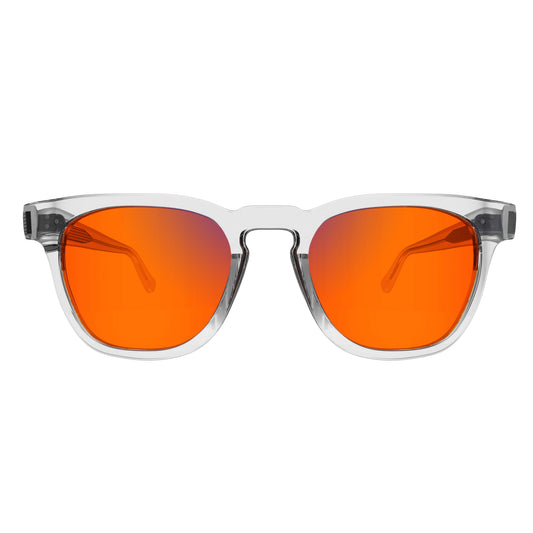
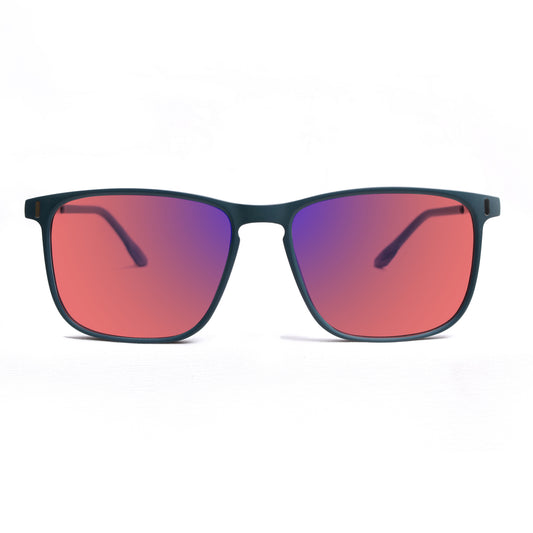
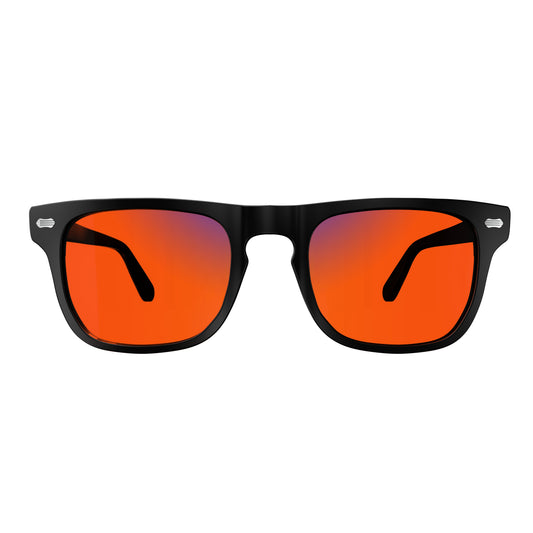
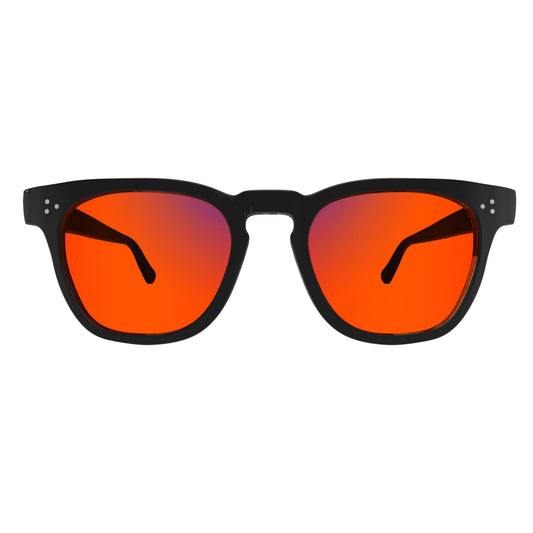
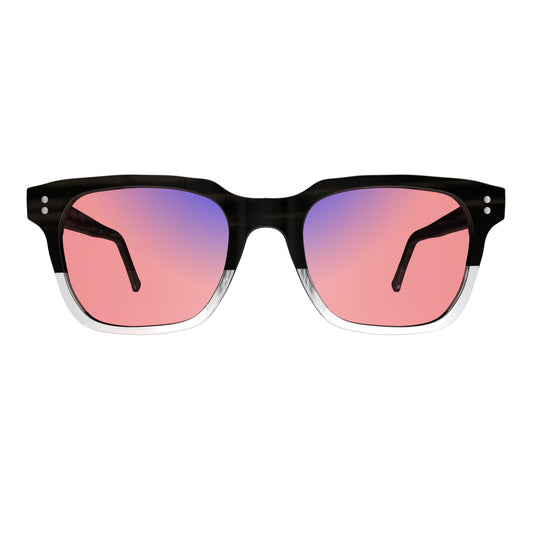
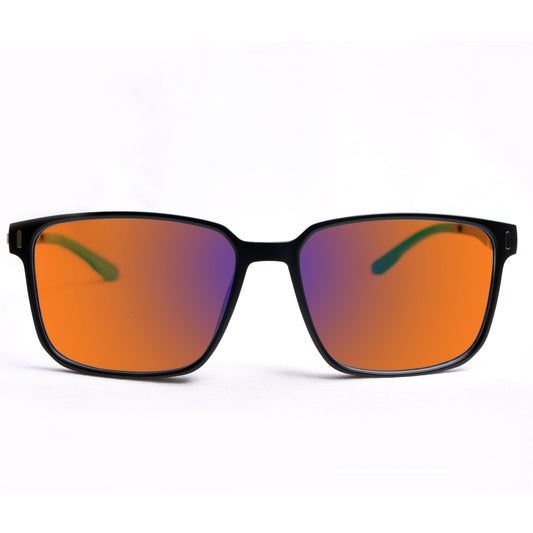
Keep screen brightness higher and dim the room light instead, enable any "anti-flicker" or high-frequency dimming setting, take regular breaks, and if you're light-sensitive, wear FL-41 Light to cut the harsh blue-green band from the screen and surrounding lights.
Shop FL-41 screen glasses →What is PWM?
To make an OLED screen dimmer, many devices don't lower the current; they flash the pixels on and off and vary how long they stay on. At low brightness the "off" periods get longer, so the flicker gets deeper. Frequencies range from a few hundred to a few thousand cycles per second depending on the device. Higher frequencies are generally considered gentler.
PWM sensitivity symptoms
- Headache or migraine starting after phone or laptop use, especially at night
- Eye strain, burning or tired eyes
- Nausea or dizziness when scrolling
- Symptoms that improve on an older LCD device
Research specifically on PWM screens is still limited, and sensitivity varies a lot between people. But it fits what we know about flicker and migraine: the migraine brain is more reactive to visual input. We cover those mechanisms in Photophobia in Migraine: Neural Mechanisms and Wavelength-Selective Management (DOI 10.5281/zenodo.19644849).
How to reduce PWM headaches
- Raise brightness, lower the room: PWM is usually deepest at low brightness. Use a darker theme and higher brightness instead.
- Look for settings such as "anti-flicker", "PWM dimming", "high-frequency dimming" or "eye comfort" and test them.
- Check before you buy: independent reviews often measure PWM frequency.
- Take breaks: 20-20-20 — every 20 minutes, look 20 feet away for 20 seconds.
- Filter the light band that makes screens feel harsh with FL-41 lenses.
Do glasses help screen headaches?
No lens can remove flicker. Clear blue-light lenses also do little: our review Limitations of Commercial Blue-Light-Filtering Spectacle Lenses (DOI 10.5281/zenodo.19762610) explains why. What a properly measured FL-41 lens can do is soften the blue-green light (around 480–520 nm) that light-sensitive people find hardest to tolerate, from the screen and from the room lighting behind it.
| You are... | Best lens |
|---|---|
| Light-sensitive or prone to migraine | FL-41 Light |
| Mainly tired eyes and glare, no migraine | DayActive |
| Using screens late at night | Amber |
Make screens easier on a sensitive brain
FL-41 Light · spectrometer-verified · zero power to prism
Shop FL-41 Glasses →Related: flickering lights and migraine · best gaming glasses 2026.
FAQ
Can OLED screens cause headaches?
Some people report headaches from OLED screens that use low-frequency PWM dimming, especially at low brightness. Sensitivity varies.
How do I know if I'm PWM sensitive?
If symptoms appear with one device but not another, worsen at low brightness, and improve with brightness up, PWM sensitivity is a possibility.
Do blue light glasses help with PWM?
Clear blue-light lenses do little. FL-41 lenses can make screens and lighting feel less harsh for light-sensitive people, but no lens removes flicker.
What is the best phone setting for migraine?
Higher brightness with a dark theme, any anti-flicker setting enabled, and night-time use kept short.
Educational content written by optometrists. Individual experience varies; speak with your doctor about headaches that are new, worsening or severe.
Tags:
Previous
Flickering Lights and Migraine: Why LED Flicker Triggers Headaches (and What Helps)
Next
Am I Light Sensitive? Photophobia Symptoms, Causes and a Quick Self-Check


